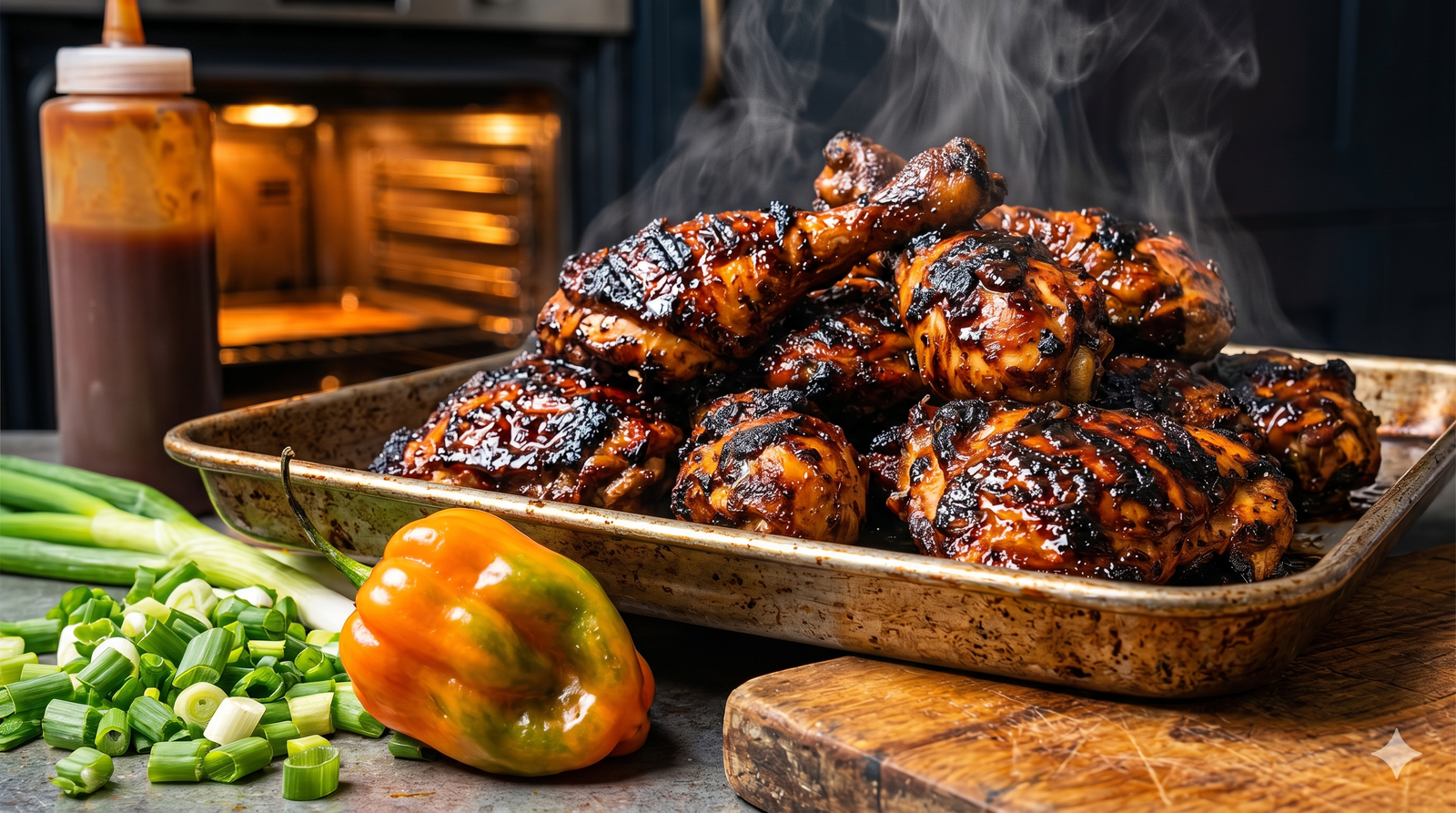
Best Easy Jerk Chicken Recipe Oven Method for Juicy Results
Ever yearn for the bold, smoky scents of the Caribbean but can’t leave home? You’re not alone in wanting to bring those lively, island tastes into your kitchen. Getting that perfect mix of caramelized skin and tender, juicy meat is easy, without needing a pro grill or outdoor gear.
This easy jerk chicken recipe oven method lets you make restaurant-quality dishes with what you already have. It’s great for busy families wanting to spice up their weeknight meals. Whether you love bold, fiery flavors or prefer something milder, this method always hits the spot.
Table of Contents
Understanding the Essence of Authentic Jerk Chicken
Jerk chicken’s journey from island fires to home ovens is fascinating. It shows a deep connection to Jamaican heritage. Learning about its history helps us appreciate its bold, spicy, and smoky taste.
The History and Cultural Significance of Jerk
Authentic jerk chicken comes from Jamaica’s Maroons. They used spices to preserve game in the mountains. Cooking over pimento wood gives it a unique, earthy flavor.
This cooking method is more than just a way to cook. It’s a celebrated cultural ritual. The mix of Scotch bonnet peppers and pimento smoke creates a famous flavor. Even without an open pit, the bold seasoning and patience in cooking are key.
Why the Oven Method Works for Home Cooks
You don’t need a big outdoor pit to make great jerk chicken at home. The oven-baked method is easy and reliable. It keeps the chicken juicy and the spices caramelized.
This method is great for those with busy schedules. It ensures even cooking, unlike backyard grills. Here’s how these methods compare for home cooks.
| Feature | Traditional Pit | Oven Method |
|---|---|---|
| Flavor Profile | Deeply Smoky | Spiced & Savory |
| Accessibility | Requires Outdoor Space | Easy for Home Kitchens |
| Heat Control | Manual/Variable | Precise/Consistent |
| Cooking Time | Long/Slow | Predictable/Efficient |
Essential Ingredients for Your Jerk Marinade
Learning to make Caribbean dishes starts with the marinade. When you make how to make jerk chicken, the quality of your ingredients matters a lot. A good marinade turns simple chicken into a flavorful dish.
Selecting the Right Scotch Bonnet Peppers
Scotch bonnet peppers are key to any real Caribbean dish. They add a signature fruity heat that’s essential. Choose peppers that are firm and brightly colored for the best flavor.
If fresh Scotch bonnets are hard to find, habaneros can work as a backup. But remember, they don’t have the same floral taste as the real thing. Be careful with these peppers because their oils are strong.
The Role of Allspice and Fresh Aromatics
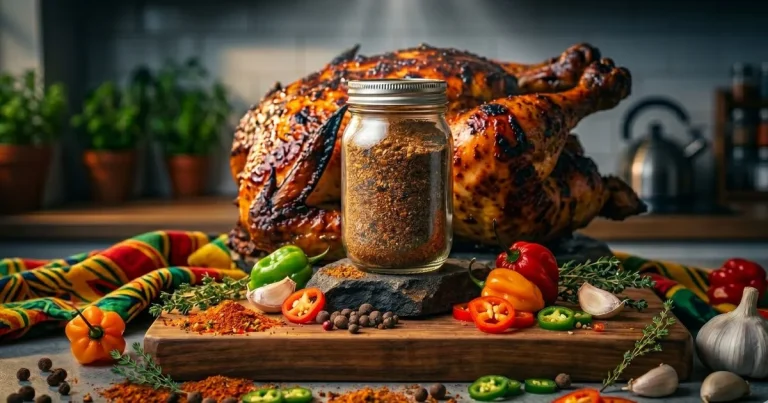
Allspice, or pimento, is the core of your jerk chicken seasoning. It brings a warm, woody scent that balances the peppers’ heat. Grind whole allspice berries just before mixing for the best flavor.
Fresh scallions, garlic, and ginger are a must. Dried spices can’t match the vibrant, pungent punch of fresh ones. Fresh ingredients make sure the marinade goes deep into the meat.
Balancing Sweetness and Acidity in Your Jerk Chicken Seasoning
A great marinade needs a balance of flavors. You need to mix the peppers’ heat with a bit of sweetness, like brown sugar. This sweetness helps the skin get crispy when cooked.
Acidity is also key to cut through the spices. Use fresh lime juice or good vinegar to brighten the dish. Learning these balances will help you make how to make jerk chicken that’s both true to the Caribbean and delicious.
Preparing Your Chicken for Maximum Flavor Absorption
The start of a great meal is before the heat goes on. To make sure your jerk chicken seasoning gets deep into the meat, treat your ingredients well. Good prep turns a simple dinner into a true Caribbean feast.
Choosing the Best Cuts for Oven Baking
For oven baking, pick cuts that handle high heat well without drying out. Bone-in, skin-on chicken thighs are top choices. The bone adds flavor, and the skin keeps the meat moist under the oven’s heat.
| Cut Type | Juiciness | Flavor Depth | Best For |
|---|---|---|---|
| Bone-in Thighs | High | Excellent | Oven Baking |
| Boneless Breast | Low | Moderate | Quick Grilling |
| Drumsticks | Medium | Good | Finger Food |
The Importance of Scoring the Meat
Scoring your chicken boosts flavor. Make shallow cuts in the thickest parts to let jerk chicken seasoning reach the center. This way, every bite is full of flavor.
Don’t cut to the bone. Just enough to let the marinade in. This quick step helps flavors develop faster.
Proper Cleaning and Drying Techniques
Before adding spices, make sure the chicken is clean and dry. Moisture stops the marinade from sticking. Pat the chicken dry with paper towels for crispy skin.
With a dry surface, the jerk chicken seasoning sticks well. This care in prep leads to a dish with great texture and flavor. It’s worth the extra time.
Mastering the Jerk Chicken Recipe Oven Technique

The secret to deep, authentic flavor lies in how you prepare and apply your jerk marinade. When you refine your technique, you ensure that every bite is packed with the bold, spicy notes that define this classic dish.
Creating the Perfect Marinade Consistency
To achieve the best results, your marinade should have a thick, paste-like consistency. This texture allows the seasoning to cling to the meat rather than sliding off during the cooking process.
If your mixture is too thin, consider adding more aromatics or reducing the amount of liquid ingredients. A proper blend ensures that when you follow a jerk chicken recipe oven method, the flavors remain concentrated on the surface of the chicken.
How Long to Marinate for Optimal Results
Understanding the timing is essential when learning how to make jerk chicken. The duration of marination directly impacts how deeply the spices penetrate the fibers of the meat.
For chicken thighs, aim for a marination window of 4 to 24 hours to ensure maximum flavor depth. If you are using chicken breasts, a shorter period of 2 to 6 hours is sufficient to prevent the meat from becoming overly acidic or mushy.
Storage Tips During the Marination Process
Always keep your chicken in the refrigerator while it marinates to maintain food safety. Use a glass or ceramic bowl, or a heavy-duty plastic bag, to prevent the acidic ingredients from reacting with metal containers.
Ensure the container is tightly sealed to lock in the moisture and keep your fridge smelling fresh. Following these steps is a vital part of knowing how to make jerk chicken that is both safe and delicious.
By keeping your ingredients chilled, you protect the integrity of the spices. This simple habit helps you execute your jerk chicken recipe oven plan with confidence and consistency.
Setting Up Your Oven for Success
Turning your home oven into a high-heat roasting chamber is simple. By setting up your equipment right, your oven baked jerk chicken will get the perfect texture and taste. This lets you grill like a pro right in your kitchen.
Ideal Temperature Settings for Juicy Chicken
To get a pro-like sear, heat your oven to 425°F. This high heat is crucial for keeping moisture in and making the skin golden-brown. Starting at this temperature prevents the meat from steaming instead of searing.
Using a Rack vs. Baking Sheet
For the best results, use a wire cooling rack in your baking sheet. This lets hot air circulate completely around the chicken, ensuring even cooking. If you cook on a flat tray, the bottom might get soggy instead of crispy.
Creating a Smoke-Free Environment in Your Kitchen
High-heat roasting can sometimes cause smoke if marinade drippings hit the hot pan. To avoid this, line your baking sheet with aluminum foil to catch juices. Always turn on your kitchen exhaust fan before cooking your oven baked jerk chicken. These steps keep your kitchen smoke-free while you cook.
Step-by-Step Guide to Baking Your Jerk Chicken
Baking your jerk chicken right is key to getting that authentic, juicy taste at home. The marinade gives it a deep, complex flavor. But, the oven’s environment affects the chicken’s texture and moisture.
Preparing the Baking Tray and Lining
Choose a heavy-duty baking sheet or a shallow roasting pan. Lining your tray with parchment paper or aluminum foil is crucial for reflecting heat and easy cleanup. This step stops the sticky marinade from burning on the metal.
For a crisper skin, put a wire cooling rack inside your lined baking sheet. This setup lets hot air circulate under the chicken. So, the bottom stays dry while the top gets golden.

Arranging the Chicken for Even Heat Distribution
Proper placement is key for even cooking. Spread your chicken pieces out with plenty of space to avoid overcrowding. When pieces touch, they steam instead of roast, missing out on that golden-brown skin.
Always put the chicken skin-side up. This way, the fat melts properly and the skin gets direct heat. Place bigger pieces on the tray’s edges for better heat.
Monitoring the Internal Temperature
To keep your chicken juicy, watch it closely. Baste the chicken halfway through with the flavorful juices from the tray. This keeps the meat moist and boosts the spice flavor.
Use a meat thermometer to check the chicken’s thickest part, avoiding the bone. It’s done when it hits 165°F. Take it out quickly to prevent drying and ensure a tender and juicy result.
Determining How Long to Cook Jerk Chicken in the Oven
Many home cooks wonder how long to cook jerk chicken in the oven for the best taste. Recipes give a general time, but your kitchen’s conditions affect the result. Knowing these factors helps avoid undercooked or dry meat.
Factors That Influence Cooking Time
Several things affect how long your chicken cooks. The size and thickness of the chicken are key. Larger pieces need more time to cook through.
Bone-in chicken takes longer than boneless because the bone insulates. Your oven’s temperature also matters. Make sure it’s preheated to cook evenly. These tips help you cook jerk chicken perfectly.
The Importance of Using a Meat Thermometer
Using a timer alone is risky because every piece of meat is different. A digital meat thermometer ensures your chicken is safe and cooked right. Aim for 165°F for breasts and 170–175°F for thighs for the best taste.
| Chicken Cut | Target Temp | Estimated Time |
|---|---|---|
| Boneless Breast | 165°F | 25–30 Minutes |
| Bone-in Thighs | 175°F | 40–45 Minutes |
| Whole Legs | 175°F | 45–50 Minutes |
Resting Your Chicken for Maximum Juiciness
When the chicken reaches the right temperature, take it out of the oven. Let it rest on a cutting board for five to ten minutes before serving. This lets the juices spread evenly in the meat.
Cutting into the chicken too soon lets the juices spill out. Resting is crucial for a juicy, flavorful bite. Being patient during this time ensures your meal turns out great.
Achieving That Signature Char Without a Grill
Many home cooks wonder how to get that signature blackened skin. They want to know how long to cook jerk chicken in oven. The oven provides consistent heat but lacks the smoky intensity of a traditional fire pit. You can still get that iconic, restaurant-quality char with a few simple adjustments.

Using the Broiler Function Safely
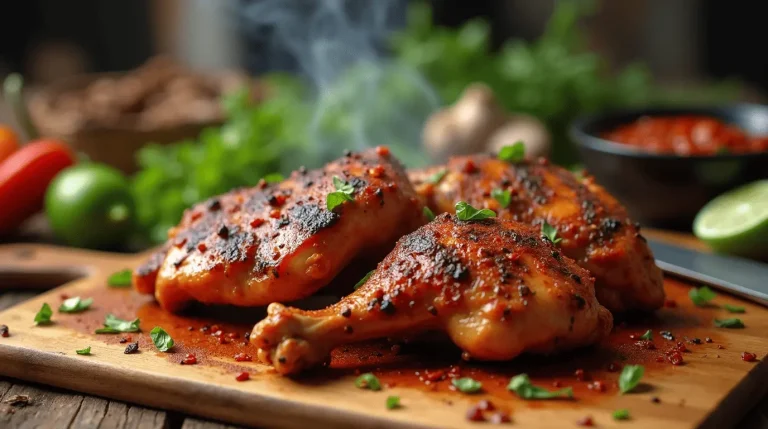
The broiler is your best tool for creating a beautifully charred exterior. Once your meat reaches the safe internal temperature, move your oven rack to the highest position. Broil the chicken for 1–2 minutes at the end to get a smoky effect without burning the spices.
Always keep a close eye on the oven during this stage. The transition from perfectly charred to burnt happens in seconds. Never walk away while the broiler is active to ensure your meal remains delicious.
Applying Extra Marinade Glaze
To deepen the flavor and color, brush a reserved portion of your marinade over the skin before the final broil. This extra layer acts as a glaze, helping the sugars in the marinade caramelize under the intense heat. Be careful to use a fresh batch of marinade that has not touched raw meat to avoid any food safety concerns.
- Brush a thin, even layer of glaze over the skin.
- Focus on the edges of the chicken pieces for maximum impact.
- Avoid thick clumps of aromatics, as these can turn bitter under high heat.
Tips for Caramelizing the Skin
Achieving the perfect texture requires a balance of moisture and heat. If you are still learning how long to cook jerk chicken in oven, remember that dry skin will not caramelize properly. Patting the skin dry before applying your initial seasoning helps the fat render more efficiently during the baking phase.
Once you reach the final broiling stage, the residual fat will bubble and crisp up, creating that signature dark crust. This finishing touch provides the essential contrast between the tender, juicy meat inside and the bold, spicy bark on the outside.
Common Mistakes to Avoid When Making Oven Baked Jerk Chicken
Getting the perfect mix of spice and moisture in your oven baked jerk chicken is simpler than you think. Just knowing what to avoid can make all the difference. Small mistakes can ruin a dish, but catching them early ensures your meal stays juicy and full of flavor.
Preventing Dry or Overcooked Meat
One big problem is meat drying out during baking. To avoid this, always check the meat’s internal temperature with a meat thermometer. Taking the chicken out of the oven as soon as it’s safe is key to keeping it tender.
Letting the meat rest for at least ten minutes before serving is also crucial. This step helps the juices spread evenly. Cutting into the chicken too soon can lose all that moisture.
Avoiding Burnt Spices and Aromatics
Jerk marinades can burn quickly because of sugar or honey. If you’re using the broiler for a charred look, watch the oven closely. Leaving the chicken unattended can make the spices bitter and burnt.
If the skin is getting too dark, move the rack down. You can also cover the tray with foil to protect the spices while the meat cooks.
Managing Heat Levels for Beginners
Many beginners underestimate the heat of Scotch Bonnet peppers in oven baked jerk chicken. If you’re not used to spicy food, start with half the pepper amount. You can always add more heat later if you like.
The heat of the marinade can get stronger as it bakes. Adding a bit of lime juice or brown sugar can help if it’s too spicy.
| Common Mistake | Resulting Issue | Quick Fix |
|---|---|---|
| Overcooking | Dry, tough meat | Use a meat thermometer |
| High Broil Heat | Burnt spices | Monitor closely or lower rack |
| Too Much Pepper | Overwhelming heat | Add citrus or sugar |
| Skipping Rest Time | Loss of juices | Rest for 10 minutes |
Serving Suggestions and Traditional Caribbean Sides
Adding the right sides to your oven-baked jerk chicken makes it a true island feast. The chicken’s bold and spicy flavor is balanced by the sides. Traditional options bring an authentic taste to your kitchen.
Pairing with Rice and Peas
Rice and peas are the heart of any jerk dish. They mix long-grain rice with kidney beans, coconut milk, scallions, and thyme. This combo offers a creamy, mild taste that contrasts the chicken’s heat.
The coconut milk’s sweetness cleanses your palate between chicken bites. It’s a perfect match for the savory chicken.
Refreshing Sides to Balance the Heat
To manage the spice, add a cool side dish. A creamy coleslaw with a light vinegar dressing is refreshing. It cuts through the meat’s richness.
Or, try a cucumber and tomato salad with lime juice and cilantro. It’s bright, acidic, and light.
Presentation Tips for Your Jerk Chicken
Visual appeal is key when hosting dinner. Place your charred chicken on a bed of vibrant rice and peas. This creates a stunning color contrast.
Top the plate with fresh thyme or Scotch bonnet pepper slices. It hints at the dish’s flavors.
Include a lime wedge on the side. It’s functional and adds to the dish’s look. A squeeze of lime brightens the flavors and enhances the marinade’s aromas. These details make your meal look as good as it tastes.
Conclusion
Learning to make oven-baked jerk chicken can turn your cooking into a fun and exciting experience. You now have the skills to mix bold spices with careful heat control for top-notch results.
Success comes from sticking to the marination and watching the temperature closely. A good meat thermometer keeps your chicken moist and safe to eat. These steps make your meal more than just dinner; it becomes a true Caribbean feast.
You can make these flavors at home without a grill. Try out different spice mixes and share your tasty dishes with others. Start your Caribbean cooking adventure with this easy method. Just preheat your oven and enjoy making a perfect meal.
FAQ
The History and Cultural Significance of Jerk
Jamaican jerk cooking has a rich history. It started with the Maroons using pimento wood smoke. Today, it’s a global culinary icon. Making this dish connects you to a cultural legacy that values bold flavors and slow cooking.
Why the Oven Method Works for Home Cooks
The oven is a great alternative to traditional pimento smoke. It offers precise temperature control, keeping the chicken juicy. You can achieve the high-heat roasting needed for oven baked jerk chicken easily.
Selecting the Right Scotch Bonnet Peppers
The heart of jerk chicken seasoning is the heat. Scotch Bonnet peppers add a fruity flavor and intense heat. Look for firm, brightly colored peppers at stores like Whole Foods or international grocers.
The Role of Allspice and Fresh Aromatics
Allspice adds a warm, earthy note. Using fresh scallions, ginger, and garlic makes the marinade more vibrant. These ingredients create a complex flavor that defines how to make jerk chicken authentic.
Balancing Sweetness and Acidity in Your Jerk Chicken Seasoning
A mix of brown sugar and lime juice or apple cider vinegar balances the flavors. This balance prevents the spice from overpowering the dish, highlighting the savory meat.
Choosing the Best Cuts for Oven Baking
Use bone-in, skin-on thighs for the best results. This cut is forgiving under high heat and retains moisture better than breasts. Brands like Bell & Evans offer quality poultry for intense marination.
The Importance of Scoring the Meat
Scoring the chicken allows the marinade to penetrate deep. This ensures every bite is seasoned, not just the surface.
Proper Cleaning and Drying Techniques
Clean and dry the chicken before applying the rub. Dry skin is key for a crispy texture. Moisture on the surface steams the meat instead of roasting it.
Creating the Perfect Marinade Consistency
Your marinade should be thick, not runny. A Vitamix or Ninja food processor helps achieve a smooth consistency that clings to the chicken.
How Long to Marinate for Optimal Results
Marinating for 12 to 24 hours is best. This time allows the flavors to penetrate the meat deeply. Even a few hours will improve the flavor significantly.
Storage Tips During the Marination Process
Marinate in the refrigerator in a non-reactive container like a Pyrex dish or a Ziploc bag. This prevents off-flavors and ensures food safety.
Ideal Temperature Settings for Juicy Chicken
High heat is key to a juicy chicken. Set your oven to 400°F (200°C) for quick cooking and a crispy exterior.
Using a Rack vs. Baking Sheet
Use a wire rack in a rimmed baking sheet for even cooking. This prevents the bottom from getting soggy and ensures an even cook.
Creating a Smoke-Free Environment in Your Kitchen
High-heat roasting can cause smoke. Add water or use Reynolds Wrap aluminum foil to manage drippings and keep your kitchen smoke-free.
Preparing the Baking Tray and Lining
Line your tray with foil for easy cleanup. If using a tray without a rack, grease it lightly to prevent the skin from sticking.
Arranging the Chicken for Even Heat Distribution
Space the chicken pieces so they don’t touch. Crowding lowers the oven temperature, causing the chicken to boil instead of roast.
Monitoring the Internal Temperature
Check the chicken’s progress often. Look for a deep mahogany color on the skin. The internal temperature is the only way to know it’s done.
Factors That Influence Cooking Time
The size of the thighs and your oven’s accuracy affect cooking time. Generally, bone-in thighs at 400°F take 35 to 45 minutes.
The Importance of Using a Meat Thermometer
Use a digital thermometer like a ThermoPro to ensure safety and juiciness. Aim for an internal temperature of 165°F (74°C).
Resting Your Chicken for Maximum Juiciness
Let the chicken rest for 5 to 10 minutes after baking. This allows the juices to redistribute, making the meat succulent.
Using the Broiler Function Safely
If the chicken looks cooked but lacks a char, use the broiler for 2 to 3 minutes. Watch it closely to avoid burning the sugars in the marinade.
Applying Extra Marinade Glaze
Brush reserved marinade or Walkerswood Jerk Seasoning mixed with honey over the chicken before broiling. This creates a sticky, savory glaze.
Tips for Caramelizing the Skin
Keep the oven door slightly ajar to ensure direct, intense heat. This helps bubble the skin and create charred spots like a charcoal grill.
Preventing Dry or Overcooked Meat
Don’t leave the chicken in too long because the skin isn’t dark enough. If the meat is 165°F but the skin is pale, use the broiler instead of baking.
Avoiding Burnt Spices and Aromatics
If your marinade has a lot of sugar, it may burn before the chicken is done. Tent the chicken loosely with foil to protect the surface while the center finishes cooking.
Managing Heat Levels for Beginners
If you’re new to Scotch Bonnets, start with one pepper (deseeded). You can always serve Grace Hot Pepper Sauce for more heat, but you can’t take the heat out once it’s baked.
Pairing with Rice and Peas
No jerk meal is complete without traditional Rice and Peas. The creamy coconut milk and kidney beans complement the spicy chicken perfectly.
Refreshing Sides to Balance the Heat
Serve your oven baked jerk chicken with coleslaw or fried plantains. The sweetness of the plantains and the crunch of the slaw offer a necessary reprieve from the intense spices.
Presentation Tips for Your Jerk Chicken
Garnish your platter with fresh lime wedges and chopped scallions. Squeezing fresh lime over the chicken brightens the flavors and cuts through the richness.
How long to cook jerk chicken in oven to ensure it stays moist?
To keep the meat juicy, bake bone-in thighs at 400°F for 35 to 45 minutes. The most reliable way to check for doneness is using a meat thermometer to ensure the internal temperature reaches 165°F. Always allow the chicken to rest for at least 5 minutes after baking to lock in the juices.
What is the best jerk chicken seasoning for an authentic taste?
An authentic jerk chicken seasoning includes allspice, Scotch Bonnet peppers, thyme, garlic, ginger, and scallions. While homemade is best, reputable brands like Walkerswood or Grace Foods offer excellent prepared pastes for your marinade.
How can I make jerk chicken less spicy for my family?
To make jerk chicken milder, remove the seeds and membranes from the Scotch Bonnet peppers. You can also substitute with milder Habaneros or Jalapeños, though the flavor will change slightly.
Can I achieve a smoky flavor with oven baked jerk chicken?
Yes! While you won’t have a wood fire, adding a teaspoon of liquid smoke or smoked paprika in your jerk chicken seasoning can help. Using the broiler at the end creates a charred exterior like a traditional grill.
Do I need to marinate the chicken overnight?
For the best results, marinating for 12 to 24 hours is recommended. This allows the flavors to penetrate deeply. However, even 2 to 4 hours of marinating will significantly improve the flavor compared to cooking it immediately.
Should I use chicken breasts or thighs for this recipe?
Use bone-in, skin-on thighs for the best results. Thighs have more fat and are more resilient to high temperatures, ensuring juicy and flavorful meat.
Did You Try Our Recipe?
There are no reviews yet. Be the first one to write one.