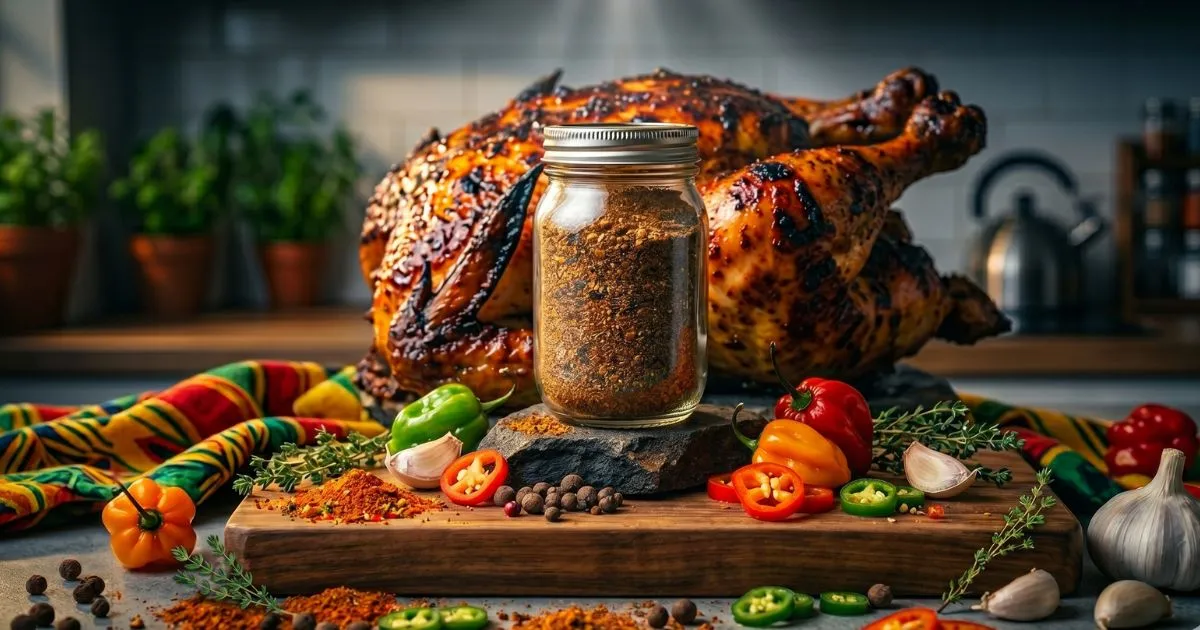
The Best Homemade Jerk Chicken Seasoning Recipe for Traditional Caribbean Taste
Table of Contents
Take your kitchen on a trip to the islands with bold, tropical flavors. Making your own jerk chicken seasoning is a game-changer. It brings authentic heat and smokiness right to your table.
Find out exactly how to make jerk chicken that captures the Caribbean’s vibrant spirit. Use fresh, high-quality ingredients for every bite to taste like a restaurant at home.
Whether you’re new or experienced in cooking, this guide makes it easy. We’ll help you master the jerk chicken recipe oven method with confidence and ease.
Key Takeaways
- Learn to craft an authentic spice blend from scratch.
- Understand the importance of fresh, high-quality ingredients.
- Master the smoky flavor profile of traditional island cuisine.
- Follow simple steps for perfect results in your home oven.
- Gain the confidence to elevate your everyday poultry dishes.
The Essence of Authentic Jerk Seasoning
The secret to a perfect meal lies in the history and preparation of your jerk chicken seasoning. This iconic style of cooking is more than a simple spice rub. It’s a vibrant culinary tradition from the Caribbean. By mastering these elements, you bring a bold experience into your home kitchen.
Understanding the History of Jerk
The roots of this cooking method go back to the Maroons in Jamaica. They used it to preserve meat in the tropical climate. By slow-cooking pork and chicken over pimento wood, they created a smoky flavor that’s still loved today.
This traditional process uses oils from the pimento tree, also known as allspice. The wood gives a deep, earthy aroma that modern grills can’t match. Knowing this heritage helps you see why each ingredient in your blend is important.
Why Homemade Beats Store-Bought Blends
When you make your own jerk chicken seasoning, you control the flavor. Store-bought blends often have fillers and dried spices, leading to dull flavors. They lack the vibrant punch of fresh ingredients like Scotch bonnet peppers and ginger.
By making your own blend, you can balance the heat and savory notes. This creates a depth that pre-packaged mixes can’t match. Freshness is the key to bringing out the true flavor of your Caribbean dishes, making every bite authentic.
Essential Ingredients for Your Jerk Chicken Seasoning
Starting your journey to perfect jerk chicken means getting the right ingredients. You need to pick fresh, quality spices to get that distinctive Caribbean taste. Using the best ingredients will make your dish stand out.
The Role of Scotch Bonnet Peppers
The Scotch Bonnet pepper is the heart of jerk chicken. It adds a unique heat and fruity taste that other peppers can’t match. Be careful with them because their oils are very strong.
If fresh Scotch Bonnets are hard to find, use bottled mash or dried ones. But fresh peppers give the best flavor. Remember, the seeds and membranes have the most heat, so use them wisely.
Selecting the Right Allspice Berries
Allspice, or pimento, is key for jerk’s woody aroma. Always choose whole berries over ground powder. Whole berries keep their oils longer, making your seasoning stronger.
To get the most flavor, toast the berries lightly before grinding. This step makes the spice more complex and aromatic. Freshly ground allspice adds depth that packaged blends can’t match.
Balancing Sweet and Savory Elements
A great jerk seasoning needs a mix of flavors. The peppers provide heat, while herbs like thyme and brown sugar add sweetness. This mix creates a sophisticated glaze that caramelizes well.
“The secret to a great spice blend is not just the intensity of the heat, but the balance of the aromatics that support it.”
— Traditional Caribbean Culinary Wisdom
Here’s a table showing how each ingredient helps your seasoning blend:
| Ingredient | Primary Function | Flavor Profile |
|---|---|---|
| Scotch Bonnet | Heat Source | Fruity and Intense |
| Allspice Berries | Aromatic Base | Warm and Woody |
| Brown Sugar | Flavor Balancer | Sweet and Caramelizing |
| Fresh Thyme | Herbal Note | Earthy and Floral |
Preparing Your Aromatics and Spices
Starting your journey to Caribbean flavor begins with fresh aromatics. Learning how to make jerk chicken shows the importance of quality ingredients. Proper handling of produce ensures a smooth marinade.
“The secret to great cooking is often found in the simplest of preparations; treat your ingredients with respect, and they will reward you with flavor.”
— Traditional Culinary Wisdom
Cleaning and Prepping Fresh Scallions and Thyme
Scallions are key for a grassy, onion-like flavor. Wash them well to remove grit. Then, trim the roots and dark green tips. Chop them into small pieces for even processing.
For thyme, always remove the woody stems. These can be tough and ruin the paste’s texture. Fresh leaves add a clean, herbal taste to every bite.
The Importance of Fresh Ginger and Garlic
Many wonder how to make jerk chicken with real punch. The answer is fresh ginger and garlic. They offer a vibrant, pungent intensity that powders can’t match.
Peel ginger with a spoon to reduce waste. Crush garlic cloves lightly to release oils before processing. This effort creates a bold, aromatic base for authentic jerk seasoning.
Toasting Whole Spices for Depth
Consider toasting whole spices like allspice berries before blending. Heat them in a dry skillet over medium for a minute or two. They’re ready when they’re highly fragrant and release oils.
Toasting adds a deep, smoky complexity. Let them cool before grinding. This turns basic spices into a sophisticated blend that enhances your dish.
Blending the Perfect Jerk Chicken Seasoning
Now that you have your ingredients, it’s time to mix your jerk chicken seasoning. How you mix them affects how the flavors soak into your meat. You can choose to make it smooth or keep it chunky, depending on your tools.
Using a Food Processor vs. Mortar and Pestle
For big batches of jerk chicken seasoning, a food processor is ideal. It’s quick and makes sure everything is finely chopped. But, a mortar and pestle gives a traditional touch that brings out more flavor through manual grinding.
Using a mortar and pestle makes a coarse mix that sticks to the chicken. It’s a hands-on way to break down tough ingredients like ginger and scallions. It takes more effort, but many chefs say it’s worth it for the depth of flavor.
Achieving the Ideal Consistency
You want a marinade that’s thick enough to cover the meat well but not too runny. If it’s too thin, add some oil or extra spices to thicken it. Aim for a consistency that sticks to the chicken while it cooks.
Adjusting Heat Levels for Your Preference
The heat comes mainly from Scotch Bonnet peppers. You can adjust the heat by changing how many peppers you use. For a milder taste, start with one pepper and remove the seeds. For more authentic Caribbean heat, add more peppers to your liking.
| Method | Best For | Texture | Effort Level |
|---|---|---|---|
| Food Processor | Large Batches | Smooth/Uniform | Low |
| Mortar & Pestle | Small Batches | Coarse/Rustic | High |
| Immersion Blender | Quick Emulsions | Semi-Smooth | Medium |
Marinating Techniques for Maximum Flavor
Getting deep, bold flavors is more than just adding spices to chicken. True depth comes from letting the marinade soak into the meat. This creates a mix of heat and aromas in every bite.
Preparing the Chicken for Better Absorption
Before adding your jerk paste, prepare the meat. Use a sharp knife to score the skin and meat in several places. Focus on the thicker parts like thighs and breasts.
These cuts help the marinade go deep into the bird. By increasing the surface area, the flavors reach the bone, not just the surface.
The Science of Marination Time
Marination is a slow process. A quick soak adds surface flavor, but 12 to 24 hours is needed for deep penetration.
In this time, acids and enzymes in the jerk seasoning tenderize the meat. This balance of Scotch bonnet heat and allspice with chicken juices is perfect.
Safe Handling and Storage During Marination
When working with raw poultry, food safety is key. Always keep the chicken refrigerated during marination to stop bacterial growth.
Use non-reactive containers like glass or food-grade plastic. Avoid aluminum or copper bowls to prevent off-flavors from acidic ingredients.
| Chicken Cut | Recommended Time | Scoring Depth | Flavor Intensity |
|---|---|---|---|
| Chicken Wings | 6 – 12 Hours | Light | Moderate |
| Boneless Breast | 12 – 18 Hours | Medium | High |
| Bone-in Thighs | 18 – 24 Hours | Deep | Maximum |
| Whole Chicken | 24+ Hours | Deep | Maximum |
How to Make Jerk Chicken in the Oven
Learning how to make jerk chicken at home is a big win for weeknight meals. Your oven can make amazing jerk chicken, even without a grill. By using the right oven techniques, you can get a juicy inside and a crispy outside.
Setting Up Your Baking Sheet and Rack
Good air flow is key for oven baked jerk chicken. Don’t put chicken straight on a baking sheet. It steams instead of roasting.
- Place a wire cooling rack inside a rimmed baking sheet.
- Line the bottom of the sheet with aluminum foil for easy cleanup.
- Arrange your chicken pieces on the rack with enough space between them for heat to flow freely.
Temperature Control for Juicy Results
Controlling the oven temperature is crucial for jerk chicken recipe oven success. You need it hot enough to caramelize the marinade’s sugars without burning the spices.
Start at 400°F (200°C) to keep the juices in during the first cooking stage. Then, lower it to 375°F for even cooking. This gradual heat adjustment helps prevent the outside from drying out before the inside is cooked right.
Basting Techniques for a Sticky Glaze
To get that sticky, flavorful finish, you need to baste right. Basting with extra marinade during the last cooking stages adds flavor that goes deep into the skin.
Use a silicone brush to apply a thin layer of marinade every 15 minutes in the last half-hour. This makes a rich, caramelized glaze that sticks to the meat. But, don’t baste too much in the last five minutes. The sugars can burn quickly.
Determining How Long to Cook Jerk Chicken in the Oven
Wondering how long to cook jerk chicken in oven to keep it juicy and safe? Getting the perfect balance of tender inside and flavorful outside needs careful oven settings. A reliable jerk chicken recipe oven method ensures you get restaurant-quality results at home.
Internal Temperature Guidelines for Safety
Food safety is key when cooking poultry. Always use a digital meat thermometer, not just a timer, to check for doneness. The USDA says chicken must reach 165°F (74°C) to be safe to eat.
- Insert the thermometer into the thickest part of the meat.
- Avoid touching the bone, as this can give an inaccurate reading.
- Check multiple pieces to ensure even cooking across the entire batch.
Adjusting Times Based on Chicken Cuts
The cooking time for oven baked jerk chicken changes with different cuts. Thighs and drumsticks stay moist because of their fat and connective tissue. Chicken breasts, being leaner, can dry out if cooked too long.
Here are some general cooking times to keep in mind:
| Chicken Cut | Estimated Time | Key Tip |
|---|---|---|
| Boneless Breasts | 20–25 minutes | Do not overcook |
| Bone-in Thighs | 35–45 minutes | Check for juices |
| Whole Legs | 40–50 minutes | Ensure skin is crisp |
Using the Broiler for a Charred Finish
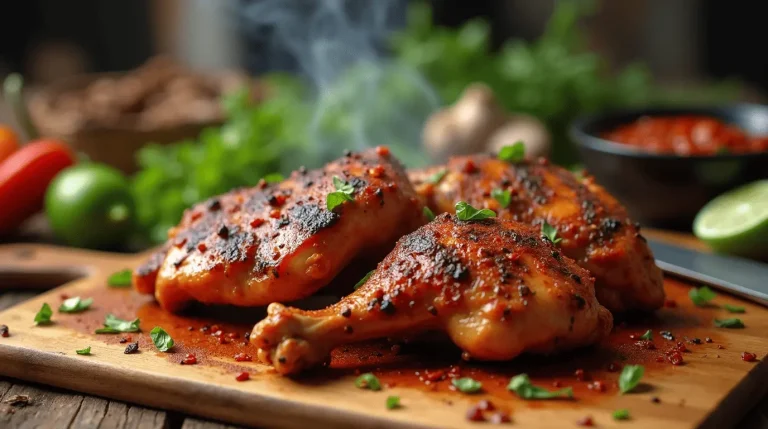
A key part of jerk chicken is its slightly charred, smoky exterior. Once the chicken hits about 160°F, move it to the top rack. Switch to broiler for the last three to five minutes.
Watch your chicken closely during this time to avoid burning the sugars in the marinade. This quick broil gives a beautiful, caramelized crust, like a traditional charcoal grill. Remove the chicken right when the skin looks dark and blistered to keep it moist inside.
Achieving the Traditional Smoky Flavor Without a Grill
It’s easy to get that island wood-fired taste at home. You can make your oven baked jerk chicken taste like it was grilled outdoors. Just use a few smart tricks to get that smoky flavor.
Using Liquid Smoke Effectively
Liquid smoke is a great tool if used right. Just a few drops can add a lot of depth to your marinade. But, don’t add too much. It can overpower the herbs and spices.
Incorporating Smoked Paprika
Smoked paprika is key for a smoky base. It adds a subtle, woody flavor that goes well with the Scotch bonnet peppers. It makes your oven baked jerk chicken taste balanced and rich.
The Foil Packet Method for Indoor Smoking
The foil packet method is a big help for indoor cooking. Place wood chips in a foil pouch to trap smoke around the meat. It makes your oven baked jerk chicken taste like it was grilled, with that smoky finish you love.
Serving Suggestions and Traditional Caribbean Sides
A true Caribbean feast needs the right mix of spicy jerk chicken and cool sides. The bold flavors need something to balance them. These sides make sure every bite is enjoyable and just right.
Pairing with Rice and Peas
Rice and peas is the perfect base for jerk chicken. It’s made with rice, kidney beans or gungo peas, and creamy coconut milk. Spices like allspice and thyme add to the flavor.
The mild coconut rice is a great contrast to the spicy chicken. It soaks up the chicken’s juices, making the dish complete. This combo is a favorite in island homes.
Refreshing Sides to Balance the Heat
To balance the spiciness, add crisp and tangy sides. A crunchy coleslaw with a light dressing or a squeeze of lime is perfect.
Here are some traditional sides to try:
- Pickled vegetables: Quick-pickled carrots and scotch bonnet slices add a tangy crunch.
- Fried plantains: Sweet ripe plantains are a great contrast to savory spices.
- Garden salad: A simple salad with citrus dressing keeps things light.
Traditional Caribbean Beverages to Serve
No Caribbean meal is complete without a cool drink. These drinks cool down the spice and add to the fun.
Try these drinks at your next gathering:
- Sorrel: A spiced hibiscus drink that’s tart and sweet.
- Ginger Beer: Fresh ginger’s zesty flavor pairs well with smoky chicken.
- Coconut Water: Chilled coconut water is refreshing and hydrating.
Choosing the right sides and drinks turns your homemade jerk chicken into a complete culinary journey. Each part works together to show off the flavors and keep the meal enjoyable.
Storing and Preserving Your Homemade Seasoning
To keep your jerk chicken seasoning fresh, you need to know how ingredients change over time. Storing it right keeps your hard work flavorful and safe for later. Follow these tips to reduce waste and make your next chicken dish just as tasty.
Shelf Life of Fresh vs. Dried Ingredients
The shelf life of your seasoning depends on the ingredients. Dry spice blends can last months in an airtight container, away from sunlight. But, mixes with fresh garlic, ginger, or scallions spoil faster.
Fresh pastes have moisture, which bacteria love. Store these in the fridge to keep them good. Even in the fridge, fresh pastes lose their zest after two weeks.
Freezing Your Jerk Paste for Future Use
Freezing is great for keeping jerk chicken seasoning ready when you need it. It keeps the flavors of fresh Scotch bonnet peppers and thyme for months. It’s ideal for those who want a quick marinade.
Freeze your paste in small containers or ice cube trays. Once frozen, move them to a freezer-safe bag. This way, you can thaw only what you need, saving food and money.
| Storage Method | Best For | Estimated Shelf Life |
|---|---|---|
| Pantry (Airtight Jar) | Dry Spice Rubs | 6 Months |
| Refrigerator | Fresh Jerk Paste | 10-14 Days |
| Freezer | Portioned Jerk Marinade | 3-6 Months |
Troubleshooting Common Jerk Chicken Mistakes
Getting the spice and smoke just right takes practice. But, you can fix common mistakes with a few tips. Even knowing how long to cook jerk chicken in the oven, things like heat distribution can still affect your dish. Most problems can be solved with patience and the right tweaks.
Preventing Burnt Spices
The sugar and spices in your marinade can burn quickly. If the outside is getting too dark, loosely tent your chicken with aluminum foil. This helps the meat cook evenly without burning the flavorful crust.
Fixing Overly Salty Marinades
Too much soy sauce or salt can overpower your dish. To fix this, add a bit of fresh lime juice or brown sugar. These ingredients help balance the flavors and bring back the Caribbean taste.
Ensuring Even Cooking Throughout
It’s common for meat near the bone to be undercooked. To avoid this, let your chicken come to room temperature before cooking. Knowing how long to cook jerk chicken in the oven is important. But, using a digital meat thermometer is the best way to ensure it’s cooked right.
| Common Issue | Primary Cause | Quick Fix |
|---|---|---|
| Burnt Crust | High oven temperature | Use foil tenting |
| Excessive Salt | Too much soy sauce | Add acidity or sugar |
| Uneven Doneness | Cold meat/thick cuts | Use a meat thermometer |
| Dry Texture | Overcooking | Baste with pan juices |
Conclusion
Learning to make homemade jerk chicken seasoning lets you bring Caribbean flavors home. You now know how to turn simple ingredients into a vibrant dish.
Focus on fresh ingredients, proper marinating, and oven care for top results. This way, every bite will taste like a true island dish.
Don’t be afraid to try new spice mixes and wood chips. Find your own unique flavor. It’s all about enjoying the journey of cooking.
Keep improving your jerk chicken recipe with each try. Soon, it will be a hit with your loved ones. Share your dishes and keep Caribbean flavors alive in your kitchen.
FAQ
What is the secret to how to make jerk chicken taste authentic when cooking indoors?
To get that authentic taste, use fresh ingredients and marinate well. A jerk chicken recipe oven method works great. It uses fresh Scotch Bonnet peppers, scallions, and toasted allspice berries.Also, a KitchenAid food processor makes a thick paste. This paste sticks to the meat while it roasts.
How long to cook jerk chicken in oven to ensure it stays juicy?
Cook chicken for 45 to 60 minutes at 375°F. Use a meat thermometer to check it reaches 165°F (74°C). This keeps it juicy.Cooking bone-in pieces like thighs or drumsticks helps. They stay moist during longer roasting times.
Can I get a charred, smoky finish with an oven baked jerk chicken?
Yes, use your oven’s broiler for the last 5 minutes. This gives a smoky taste like wood-fired grilling.Add a bit of Wright’s Liquid Smoke or smoked paprika to the marinade. Place the chicken on a wire rack over a baking sheet. This helps the skin crisp up.
How long should I marinate the meat for the best jerk chicken recipe oven results?
Marinate for at least 12 to 24 hours. This lets the flavors of thyme, ginger, and garlic soak in. Always score the skin and meat before applying the paste.
What should I do if my jerk seasoning is too spicy or too salty?
If it’s too spicy, add more C&H Brown Sugar or lime juice. For too much salt, add more onions or scallions. This keeps the Caribbean flavor.
What are the best side dishes to serve with homemade jerk chicken?
Serve with “rice and peas” made with coconut milk and kidney beans. This balances the heat. Refreshing sides like vinegar-based coleslaw or fried plantains add sweetness.For a full experience, pair with Reed’s Ginger Beer or hibiscus-based sorrel.
How do I store leftover jerk chicken seasoning for future use?
Store fresh jerk paste in an airtight glass jar in the fridge for up to a week. Freeze it in silicone ice cube trays for longer. This way, you can thaw just what you need next time.
Did You Try Our Recipe?
There are no reviews yet. Be the first one to write one.