Best Beef Chuck Steak Recipes: 5 Easy Ways to Tenderize and Cook
Beef Chuck Steak Recipes: The Complete Guide to Tender, Flavorful, Budget-Friendly Meals
Beef chuck steak is one of the most underrated cuts of beef. While it may not have the instant reputation of ribeye or filet mignon, it delivers outstanding flavor when cooked correctly. Thanks to its rich marbling and deep beefy taste, chuck steak has become a favorite among home cooks looking to create restaurant-quality meals without spending a fortune.
Current culinary trends continue to favor affordable cuts that become incredibly tender through slow cooking, braising, sous vide, or careful grilling. Professional chefs often recommend chuck steak because it balances value, flavor, and versatility better than many premium cuts.
Table of Contents
What Is Beef Chuck Steak?
Chuck steak comes from the shoulder portion of the cow, an area that gets plenty of exercise. Because these muscles work hard, the meat naturally contains more connective tissue than premium cuts like ribeye or tenderloin. At first glance, this might seem like a disadvantage, but experienced cooks know this connective tissue transforms into rich gelatin during slow cooking, creating an incredibly juicy and flavorful meal.
One reason chuck steak has become increasingly popular is its affordability. Grocery shoppers looking to stretch their food budgets without sacrificing taste often choose chuck steak over more expensive alternatives. It provides exceptional value while still delivering the deep, beefy flavor many people crave.
When selecting chuck steak, look for generous marbling throughout the meat rather than just around the edges. Thin white streaks of fat melt during cooking and naturally baste the meat from within. Avoid steaks that appear dry or have excessive dark spots, as freshness plays a major role in the final texture.
Why Chuck Steak Is Becoming More Popular
Food trends over the last few years have shifted toward maximizing flavor while minimizing grocery expenses. Rising beef prices have encouraged both professional chefs and home cooks to explore lesser-known cuts that offer excellent results when cooked properly. Chuck steak has emerged as one of the biggest winners in this movement.
Social media platforms are filled with recipes demonstrating how slow cooking, reverse searing, and sous vide techniques can transform inexpensive cuts into dishes that rival premium steakhouse meals. The growing popularity of Dutch ovens, slow cookers, and pressure cookers has also made chuck steak easier than ever to prepare successfully.
Another factor driving demand is versatility. Chuck steak works beautifully in stews, tacos, sandwiches, stir-fries, pasta dishes, and traditional steak dinners. Unlike more delicate cuts that are best suited to grilling alone, chuck steak adapts to a wide variety of cuisines and cooking styles.
Choosing the Best Chuck Steak
Not every chuck steak is created equal. Knowing what to look for at the meat counter can dramatically improve your cooking results.
USDA Grades Explained
| Grade | Quality | Best Use |
|---|---|---|
| Prime | Highest marbling | Grilling, reverse searing |
| Choice | Excellent balance | Most recipes |
| Select | Leaner | Marinating or slow cooking |
For most home cooks, USDA Choice offers the best combination of tenderness, flavor, and affordability. Prime chuck steak can be exceptional but is less commonly available.
Fresh vs Frozen
Fresh chuck steak generally offers the best texture, especially for grilling. Frozen steak can still produce excellent meals when thawed slowly in the refrigerator for 24 hours. Avoid thawing meat on the countertop, as uneven temperatures may affect both food safety and texture.
Preparing Chuck Steak Before Cooking
Preparation is often the difference between a tough steak and an unforgettable dinner.
Start by patting the steak completely dry with paper towels. Removing surface moisture helps develop a beautiful brown crust during cooking. Generously season both sides with kosher salt and freshly ground black pepper at least 45 minutes before cooking. This dry brining process allows the seasoning to penetrate deeper into the meat.
Marinades are another excellent option, particularly for thinner chuck steaks. Acidic ingredients such as lemon juice, vinegar, yogurt, or Worcestershire sauce help tenderize muscle fibers while adding layers of flavor. Garlic, rosemary, thyme, smoked paprika, soy sauce, Dijon mustard, and olive oil all pair wonderfully with chuck steak.
Allow refrigerated steak to rest at room temperature for approximately 30 minutes before cooking. This encourages more even cooking from edge to center.
Best Cooking Methods

Grilling
Grilling works surprisingly well for chuck steak when using thicker cuts. Cook over high heat to develop a flavorful crust, then move the steak to indirect heat until it reaches your desired internal temperature. Always let the steak rest for at least ten minutes before slicing against the grain.
Braising
Braising remains one of the most reliable techniques for chuck steak. After searing both sides in a heavy Dutch oven, add onions, garlic, beef broth, tomato paste, herbs, and vegetables before transferring everything to a low oven for several hours. The slow cooking process gradually breaks down collagen into silky gelatin, resulting in fork-tender beef.
Slow Cooker
A slow cooker practically guarantees success with chuck steak. Combine beef with onions, mushrooms, potatoes, carrots, garlic, Worcestershire sauce, and beef broth. Cook on low for seven to eight hours until the meat easily pulls apart with a fork. The result is a comforting, hearty meal perfect for busy weekdays.
Oven Baking
Oven baking offers another dependable method. Cover the chuck steak tightly with foil after adding broth and seasonings. Bake at a low temperature until the meat becomes tender. Finishing uncovered for the last few minutes creates a flavorful exterior while preserving moisture inside.
Easy Beef Chuck Steak Recipes
One of the biggest advantages of beef chuck steak is its incredible adaptability. With the right cooking technique, this affordable cut can produce meals that taste like they came from a high-end steakhouse. Whether you’re craving rich comfort food, bold international flavors, or a quick weeknight dinner, chuck steak can handle it all. The secret isn’t expensive ingredients—it’s understanding how to pair seasonings with cooking methods that gradually unlock the meat’s full potential.
The recipes below are designed to maximize tenderness while highlighting the naturally rich flavor of chuck steak. Each recipe uses common pantry ingredients, making them practical for everyday cooking. Feel free to customize the herbs, spices, or vegetables based on your family’s preferences. Once you master these recipes, you’ll discover that chuck steak deserves a permanent place in your meal rotation.
Garlic Butter Chuck Steak
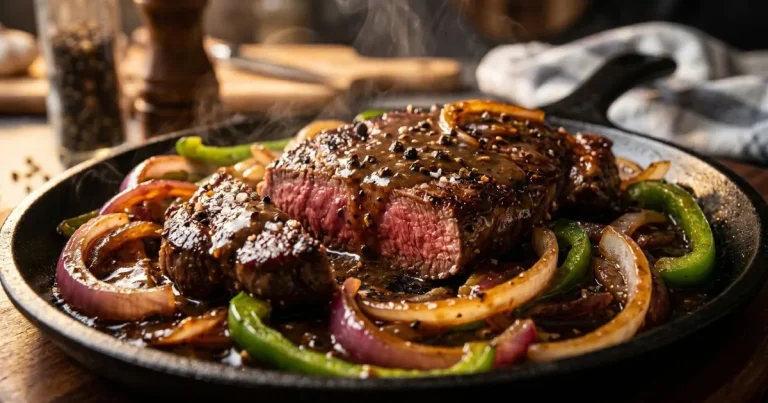
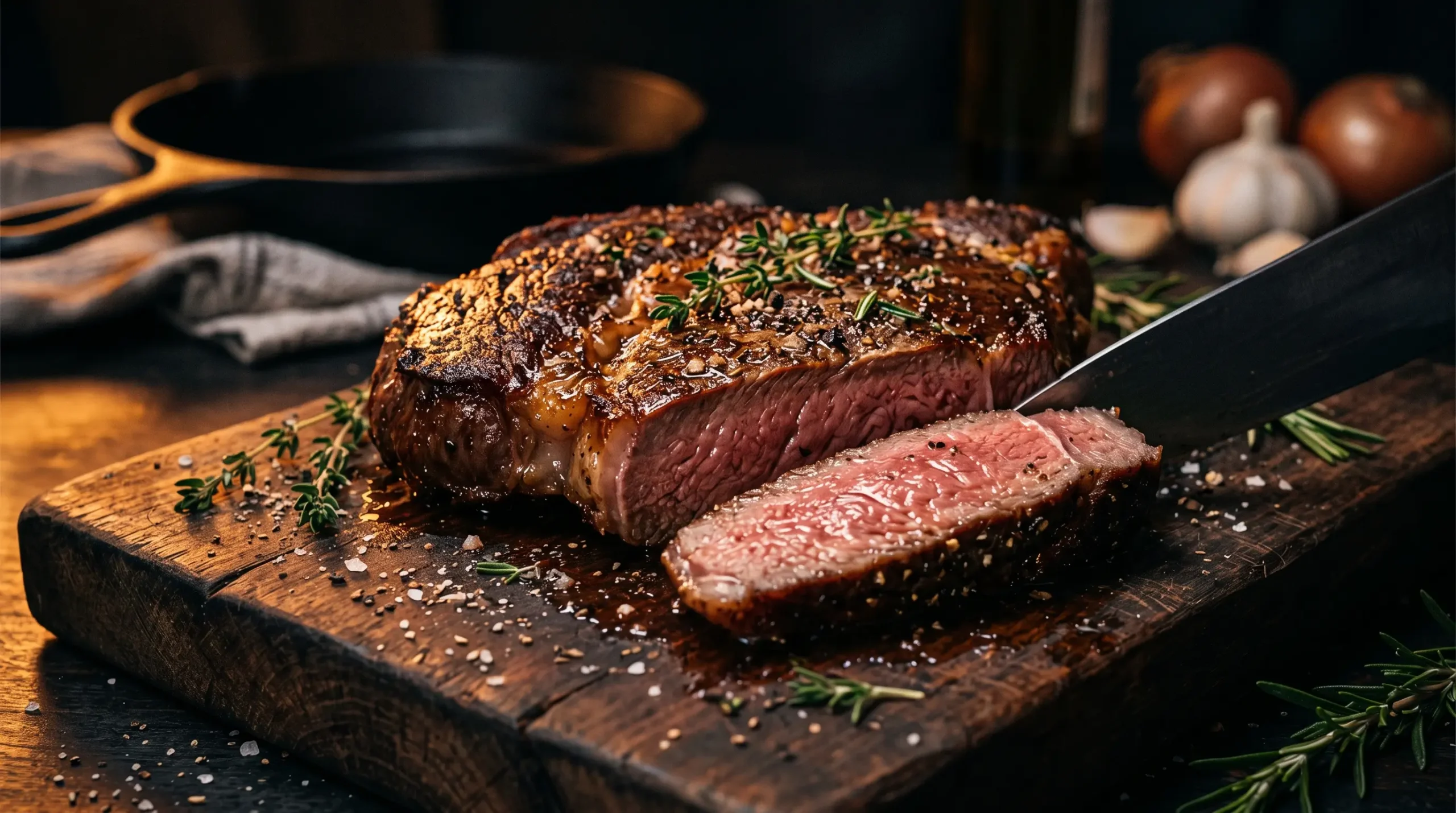
This recipe delivers a steakhouse-quality dinner with surprisingly little effort. Begin by seasoning two chuck steaks generously with kosher salt, freshly ground black pepper, garlic powder, onion powder, and smoked paprika. Heat a cast-iron skillet over medium-high heat until it becomes very hot. Add a tablespoon of vegetable oil and sear each side of the steak for about four minutes, developing a deep golden-brown crust.
Reduce the heat to medium and add four tablespoons of butter along with several crushed garlic cloves and a few sprigs of fresh rosemary and thyme. Continuously spoon the melted butter over the steaks for several minutes. This technique, known as butter basting, infuses every bite with aromatic flavor while helping prevent the meat from drying out.
Once the steaks reach your preferred internal temperature, remove them from the skillet and allow them to rest for at least ten minutes. Slice thinly against the grain before serving. Pair this dish with mashed potatoes, roasted asparagus, or sautéed mushrooms for a restaurant-quality meal that costs a fraction of dining out.
Slow Cooker Chuck Steak with Vegetables
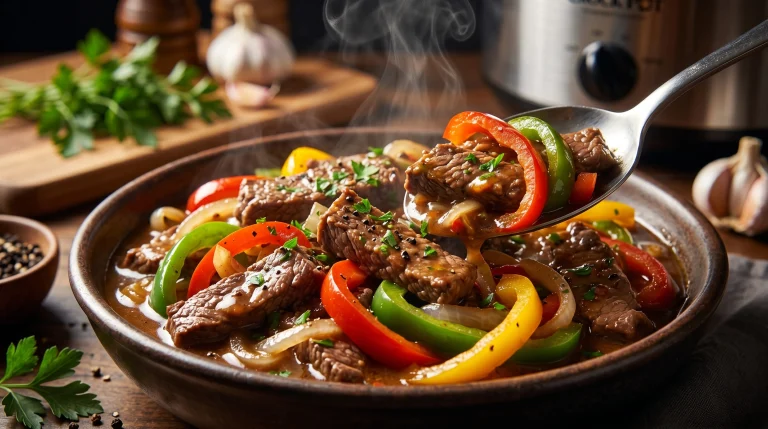
If comfort food is what you’re after, few meals compare to slow-cooked chuck steak. Place sliced onions, carrots, celery, baby potatoes, and mushrooms into the bottom of your slow cooker. Season the vegetables lightly with salt, pepper, thyme, and parsley.
Brown the chuck steak in a skillet before transferring it to the slow cooker. Add beef broth, Worcestershire sauce, tomato paste, minced garlic, and a bay leaf. Cover and cook on low for seven to eight hours or on high for four to five hours. During this time, the collagen slowly melts, creating exceptionally tender meat and a naturally rich sauce.
The finished dish practically falls apart with a fork. The vegetables absorb the savory juices, making every bite satisfying and flavorful. Leftovers often taste even better the next day because the flavors continue to develop overnight.
Asian Soy-Ginger Chuck Steak
For an Asian-inspired meal, marinate chuck steak for at least four hours using soy sauce, sesame oil, grated ginger, garlic, brown sugar, rice vinegar, and a small amount of honey. This combination creates a balanced mixture of sweet, salty, and savory flavors while helping tenderize the meat.
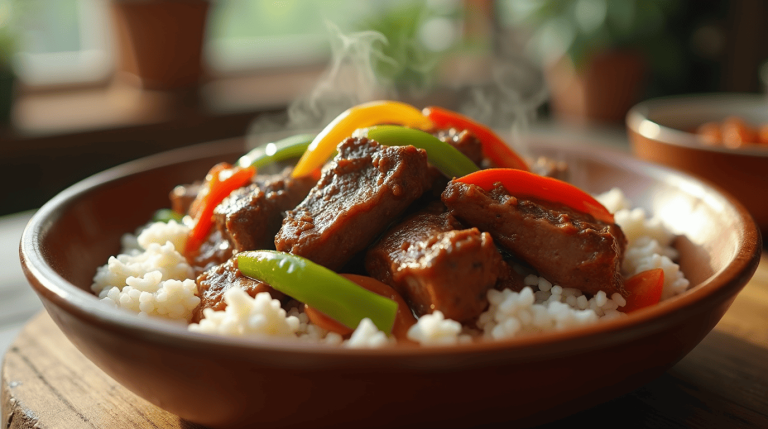
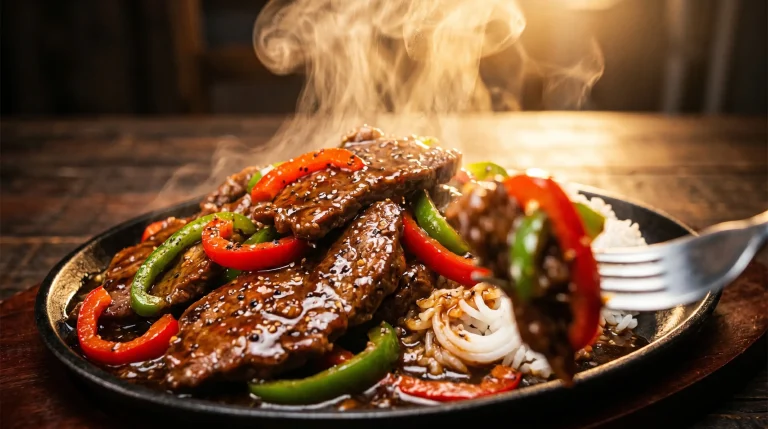
Cook the steak quickly over high heat on a grill or cast-iron pan. After resting, slice it very thinly against the grain. Serve over steamed jasmine rice with stir-fried broccoli, carrots, snap peas, and bell peppers. Sprinkle toasted sesame seeds and sliced green onions over the top for extra texture and freshness.
This recipe proves that inexpensive cuts can produce elegant meals suitable for entertaining guests. The marinade penetrates deeply into the meat, creating bold flavor in every slice.
Mexican-Style Chuck Steak Tacos
Chuck steak also shines in Mexican cuisine. Rub the meat with chili powder, cumin, smoked paprika, oregano, garlic powder, onion powder, salt, and pepper. Slowly braise it with diced tomatoes, onions, garlic, beef broth, and chipotle peppers until the meat becomes tender enough to shred.
Serve the shredded beef inside warm corn tortillas topped with diced onions, fresh cilantro, avocado, queso fresco, and a squeeze of fresh lime juice. Add homemade salsa or pickled onions for additional brightness.
These tacos are perfect for family dinners, parties, or meal prep because the beef freezes well and reheats beautifully without losing flavor.
Best Side Dishes for Beef Chuck Steak
Choosing the right side dishes can elevate chuck steak from a simple meal into a memorable dining experience. Rich beef flavors pair especially well with vegetables that offer sweetness or freshness to balance the savory profile.
| Side Dish | Why It Works |
|---|---|
| Garlic Mashed Potatoes | Creamy texture complements rich beef |
| Roasted Brussels Sprouts | Slight bitterness balances fatty meat |
| Grilled Corn | Sweetness enhances smoky flavors |
| Buttered Green Beans | Fresh, crisp contrast |
| Macaroni and Cheese | Ultimate comfort-food pairing |
| Caesar Salad | Adds freshness and crunch |
| Roasted Sweet Potatoes | Sweet and savory combination |
| Creamed Spinach | Steakhouse classic |
Fresh herbs, citrus, and lightly dressed salads also help brighten heavier beef dishes, preventing the meal from feeling overly rich.
Nutrition Facts
Although chuck steak contains more fat than lean cuts, it also provides impressive nutritional value. A typical 4-ounce cooked serving offers approximately:
| Nutrient | Amount |
|---|---|
| Calories | 280–330 |
| Protein | 24–28 g |
| Fat | 18–22 g |
| Iron | Excellent source |
| Zinc | Excellent source |
| Vitamin B12 | High |
| Selenium | High |
Protein supports muscle growth and repair, while iron helps transport oxygen throughout the body. Zinc contributes to immune health, and vitamin B12 plays an important role in nerve function and energy production.
Like many beef cuts, moderation remains important. Pairing chuck steak with vegetables, whole grains, and healthy cooking methods creates a balanced meal suitable for most healthy eating plans.
Common Cooking Mistakes
Many people assume chuck steak is naturally tough, but improper cooking is usually the real problem. One of the biggest mistakes is cooking the steak too quickly without giving connective tissue enough time to soften. Slow methods such as braising and slow cooking produce dramatically better results.
Another common mistake involves skipping the resting period after cooking. Cutting immediately causes flavorful juices to escape onto the cutting board instead of remaining inside the meat. Resting for ten minutes allows the juices to redistribute evenly.
Slicing with the grain instead of against it also affects tenderness. Muscle fibers become much easier to chew when sliced across rather than along their length.
Finally, avoid under-seasoning. Chuck steak has a bold beef flavor that benefits from generous seasoning with salt, pepper, herbs, garlic, and spices.
Storage and Reheating Tips
One of the greatest advantages of beef chuck steak is that it stores exceptionally well, making it an excellent option for meal prep and batch cooking. Whether you’ve prepared a large slow-cooked roast or simply have leftovers from dinner, proper storage helps preserve both flavor and texture. Allow the cooked beef to cool for no more than two hours before transferring it to airtight containers. Refrigerated leftovers typically stay fresh for 3 to 4 days, while frozen portions maintain their best quality for up to 3 months. Dividing the meat into meal-sized portions before freezing makes reheating more convenient and reduces waste.
When reheating, patience is your best friend. High heat can quickly dry out even the most tender chuck steak. Instead, place the meat in a covered baking dish with a splash of beef broth or water and warm it in a 300°F (150°C) oven until heated through. On the stovetop, reheat slices gently over low heat with a little broth or butter. If using a microwave, cover the meat and heat in short intervals, stirring or turning between each cycle to distribute heat evenly. These methods help retain moisture while preserving the steak’s rich flavor.
Leftover chuck steak is incredibly versatile. Thinly sliced pieces make excellent sandwiches, wraps, salads, quesadillas, fried rice, pasta dishes, and grain bowls. Shredded beef can also be transformed into tacos, enchiladas, shepherd’s pie, or hearty soups. By repurposing leftovers creatively, you can enjoy multiple distinct meals from a single cooking session.
Professional Chef Secrets for Perfect Chuck Steak
Professional chefs often emphasize that technique matters more than the price of the cut. Chuck steak rewards cooks who understand how to work with its structure rather than against it. One widely used technique is dry brining, where the steak is generously salted at least 45 minutes—or even overnight—before cooking. This process allows the salt to penetrate the meat, improving both flavor and moisture retention while helping create a better crust during searing.
Another valuable technique is reverse searing. Instead of starting with high heat, the steak is cooked slowly in a low-temperature oven until it approaches the desired internal temperature. It is then finished in a very hot skillet or on a grill to develop a beautifully caramelized crust. This method promotes more even cooking and reduces the risk of overcooking the outer layers.
Chefs also recommend using a meat thermometer rather than relying solely on cooking time. Internal temperatures provide consistent results:
- Rare: 120–125°F (49–52°C)
- Medium-rare: 130–135°F (54–57°C)
- Medium: 140–145°F (60–63°C)
- Medium-well: 150–155°F (66–68°C)
- Well done: 160°F (71°C) and above
For braised or slow-cooked chuck steak, the target is different. Instead of focusing on a traditional steak temperature, cook until the connective tissue has fully broken down and the meat becomes fork-tender, often reaching an internal temperature around 200–205°F (93–96°C).
Finally, always slice against the grain. This simple step shortens the muscle fibers, making every bite noticeably more tender.
Budget Meal Planning with Chuck Steak
Chuck steak is one of the smartest choices for families looking to enjoy satisfying meals while keeping grocery costs under control. Because it is generally less expensive than premium cuts, it allows you to prepare generous portions without compromising on flavor. Purchasing larger packages during sales and freezing individual portions can significantly reduce long-term food expenses.
A single batch of slow-cooked chuck steak can easily become several different meals throughout the week. For example:
| Day | Meal Idea |
|---|---|
| Monday | Garlic butter chuck steak with mashed potatoes |
| Tuesday | Steak sandwiches with caramelized onions |
| Wednesday | Beef tacos with fresh salsa |
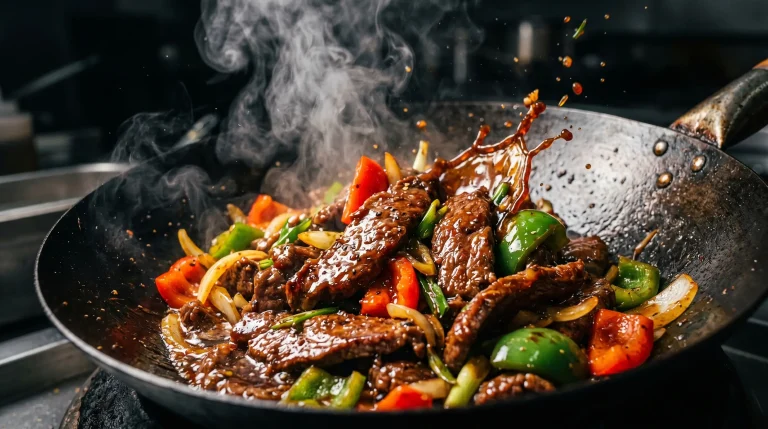
| Thursday | Stir-fried beef and vegetables over rice |
| Friday | Beef pasta with mushrooms and cream sauce |
| Saturday | Loaded baked potatoes with shredded beef |
| Sunday | Hearty vegetable beef soup |
This approach minimizes food waste while reducing cooking time on busy evenings. Instead of preparing an entirely new meal every night, you build on one well-cooked batch of beef in creative ways.
Pairing chuck steak with affordable staples such as potatoes, rice, beans, pasta, and seasonal vegetables stretches your grocery budget even further. These ingredients complement the rich flavor of the beef while creating balanced, filling meals suitable for the entire family.
Conclusion
Beef chuck steak proves that exceptional flavor doesn’t have to come with a premium price tag. While it contains more connective tissue than luxury cuts, proper cooking techniques transform it into an incredibly tender and satisfying centerpiece for countless meals. Whether grilled, braised, slow-cooked, oven-baked, or prepared in an international-inspired recipe, chuck steak consistently rewards patience with rich, beefy flavor and impressive versatility.
Learning how to select well-marbled cuts, season generously, cook with the appropriate method, and slice against the grain can dramatically improve your results. From comforting slow-cooker dinners to elegant garlic butter steaks and vibrant tacos, the recipes in this guide demonstrate just how adaptable this cut can be.
If you’re looking for a delicious way to feed your family while staying within budget, beef chuck steak deserves a regular spot on your shopping list. Master its preparation, and you’ll discover that one of the most economical cuts of beef can also become one of your favorites.
Frequently Asked Questions
1. Is beef chuck steak tender?
Chuck steak is naturally less tender than cuts like ribeye or tenderloin because it comes from the shoulder. However, when slow-cooked, braised, or properly marinated, it becomes remarkably tender and flavorful.
2. Can I grill beef chuck steak?
Yes. Thicker chuck steaks grill well when marinated and cooked carefully. High heat for searing followed by indirect heat helps achieve a juicy interior without burning the exterior.
3. How long should I marinate chuck steak?
For the best flavor and tenderness, marinate chuck steak for at least 4 hours. Overnight marinating often produces even better results, especially when using acidic ingredients like vinegar or citrus juice.
4. What is the best seasoning for chuck steak?
A simple blend of kosher salt, black pepper, garlic powder, onion powder, smoked paprika, and fresh herbs works beautifully. Marinades with soy sauce, Worcestershire sauce, garlic, and herbs also complement its rich flavor.
5. Can chuck steak be cooked like a ribeye?
While it can be pan-seared or grilled, chuck steak generally benefits from slower cooking methods due to its connective tissue. Reverse searing or braising often produces results that are closer to premium steak cuts.
Did You Try Our Recipe?
There are no reviews yet. Be the first one to write one.