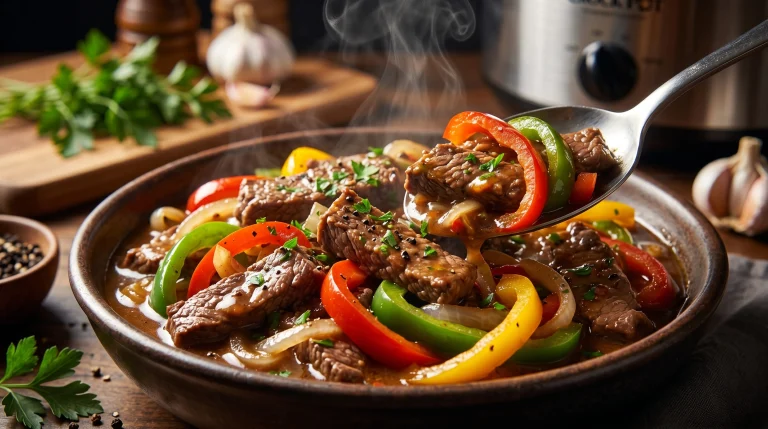
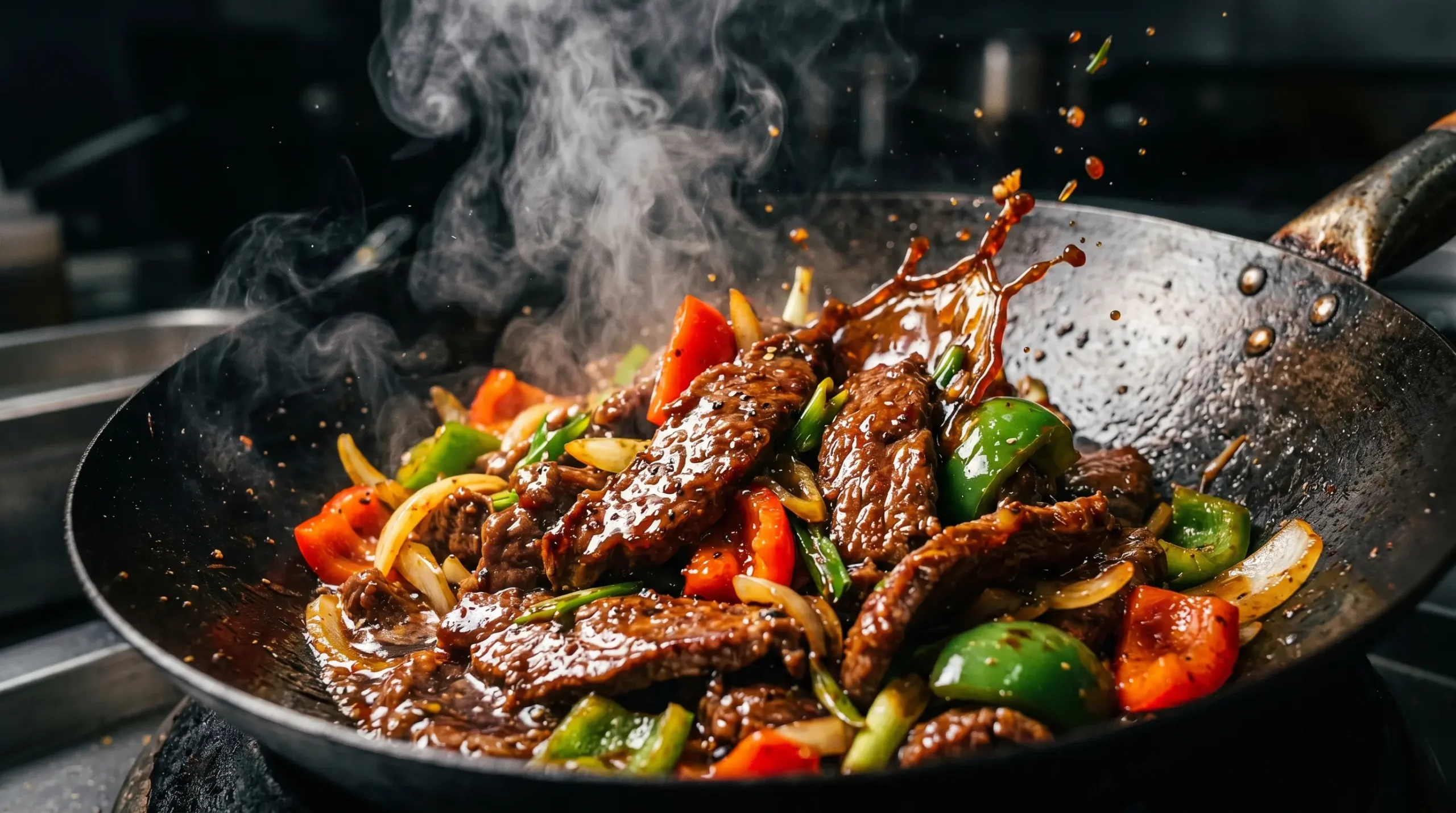
Discover the authentic flavors behind classic chinese pepper steak and easy stir-fry cooking tips.
chinese pepper steak
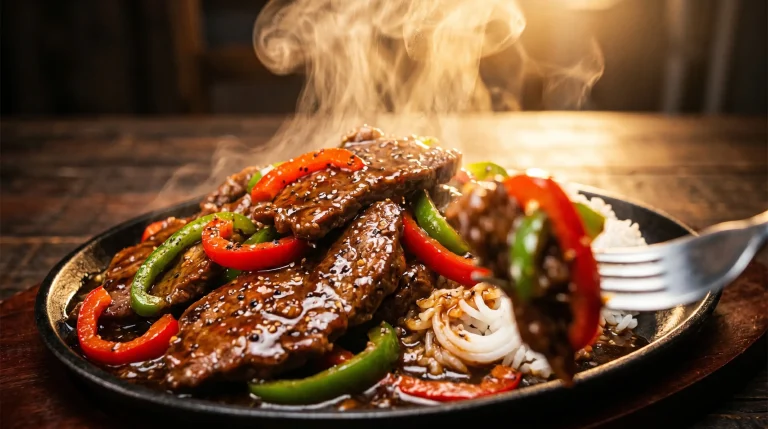
Every neighborhood has that one legendary Chinese restaurant. You know the one—where the aroma of seared ginger, toasted sesame, and intense wok breath carries halfway down the block. When you open that cardboard takeout container, you are greeted by strips of beef so impossibly tender they practically melt on your tongue, tangled up with crisp-tender bell peppers cloaked in a glossy, deeply savory black pepper glaze.
For years, you might have tried to replicate that exact magic in your own kitchen. If your experience was anything like mine when I first started out, the results were likely frustrating. Maybe you ended up with gray, chewy strips of beef that tasted more like rubber than restaurant-quality steak. Or perhaps your bell peppers turned into a soggy, weeping mess, drowning in a thin, watery puddle of soy sauce that lacked any real depth. It feels like an closely guarded trade secret that home cooks simply aren’t privy to.
But here is the truth: master-level stir-frying isn’t magic. It is simple, accessible kitchen mechanics. Once you understand how to prep your ingredients correctly, the basic chemistry behind tenderizing meat, and the precise laws of high-heat cooking, your home stove will rival the best takeout joint in the city. You don’t need a professional commercial kitchen or a roaring jet-engine burner to pull this off. You just need the right technique. Let’s unlock the authentic flavors of classic Chinese pepper steak together and transform the way you approach your frying pan forever.
Table of Contents
Demystifying the Flavors of Classic Chinese Pepper Steak
To truly master a dish, you have to understand where it comes from and why its flavors work so beautifully together. While many people view Chinese pepper steak as a modern Western invention found exclusively on mall food court menus, its DNA is deeply rooted in traditional Eastern cooking philosophies.
The dish is an evolutionary descendant of classic beef and pepper stir-fries from the Fujian province of China, known for its emphasis on preserving the natural textures of ingredients while building clean, deeply savory profiles. When Chinese immigrants brought these foundational techniques to North America, they adapted the recipe to utilize locally abundant ingredients—namely, standard green bell peppers and affordable cuts of beef. What emerged was a spectacular crossover hit: a dish that honors traditional Cantonese and Fujianese high-heat cooking structures while appealing directly to a global palate.
An authentic traditional pepper steak recipe relies on a deliberate contrast of textures and flavors. You have the deep, earthy, mineral rich notes of the beef contrasting against the bright, slightly sweet, and grassy crunch of fresh bell peppers and onions. Tying these elements together is a rich brown stir-fry sauce that shouldn’t taste flatly salty. Instead, it should deliver an upfront wave of umami, followed by a subtle background sweetness, and finish with the unmistakable, clean heat of freshly cracked black pepper. It is a masterclass in balance, which is why it remains a cornerstone of authentic Chinese beef dishes worldwide.
The Anatomy of an Authentic Pepper Steak Sauce
The absolute fastest way to ruin a homemade stir-fry is to open a pre-made, store-bought bottle of “stir-fry sauce.” These commercial shortcuts are invariably loaded with excessive corn syrup, artificial thickeners, and preservatives that coat your mouth in a cloying, sticky sweetness, completely masking the clean flavors of your meat and vegetables.
Crafting a restaurant-quality brown stir-fry sauce from scratch takes less than two minutes and utilizes foundational pantry staples that work in harmony:
- ShaoXing Rice Wine: This is the secret aromatic backbone of almost all Chinese savory cooking. Made from fermented rice, it contributes a complex, nutty, and slightly sweet briny depth that standard cooking wines or vinegars cannot replicate. It helps cut through the richness of the beef and blooms beautifully when it hits a hot pan.
- Dark Soy Sauce: Do not confuse this with standard soy sauce. Dark soy sauce is aged longer, often molasses-infused, and has a thicker, syrupy consistency. It is less about adding salt and more about imparting a gorgeous, deep mahogany color and a caramel-like undertone to the glaze.
- Light Soy Sauce: This is your primary salt engine. It provides the sharp, clean, salt-forward flavor profile and the essential umami foundation that seasons the entire dish from within.
- Toasted Sesame Oil: This is a finishing oil, not a cooking oil. Extracted from toasted sesame seeds, it is incredibly heat-sensitive. Adding a tiny drizzle at the very end of the cooking process preserves its volatile aromatic compounds, giving your dish that unmistakable, nutty restaurant fragrance as it hits the plate.
Master the Art of the Quick Stir-Fry: Essential Tips
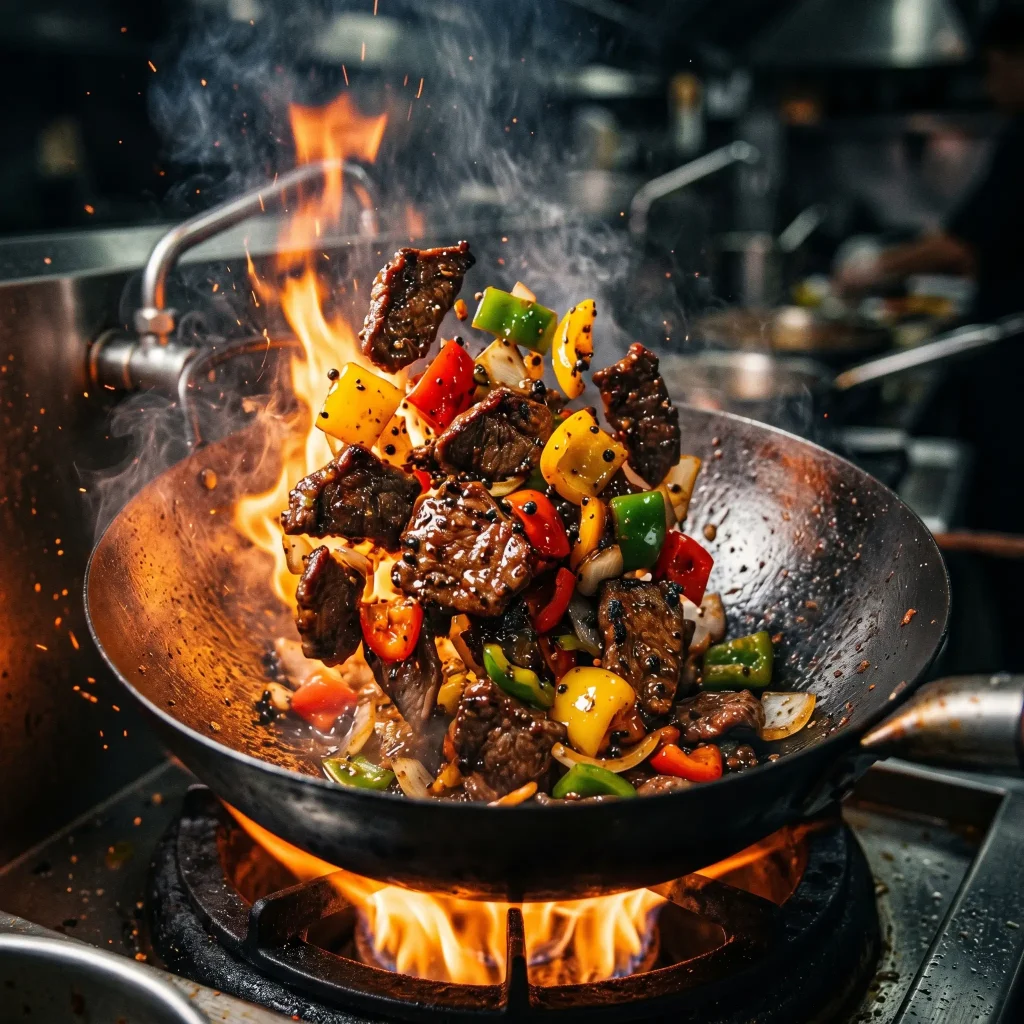
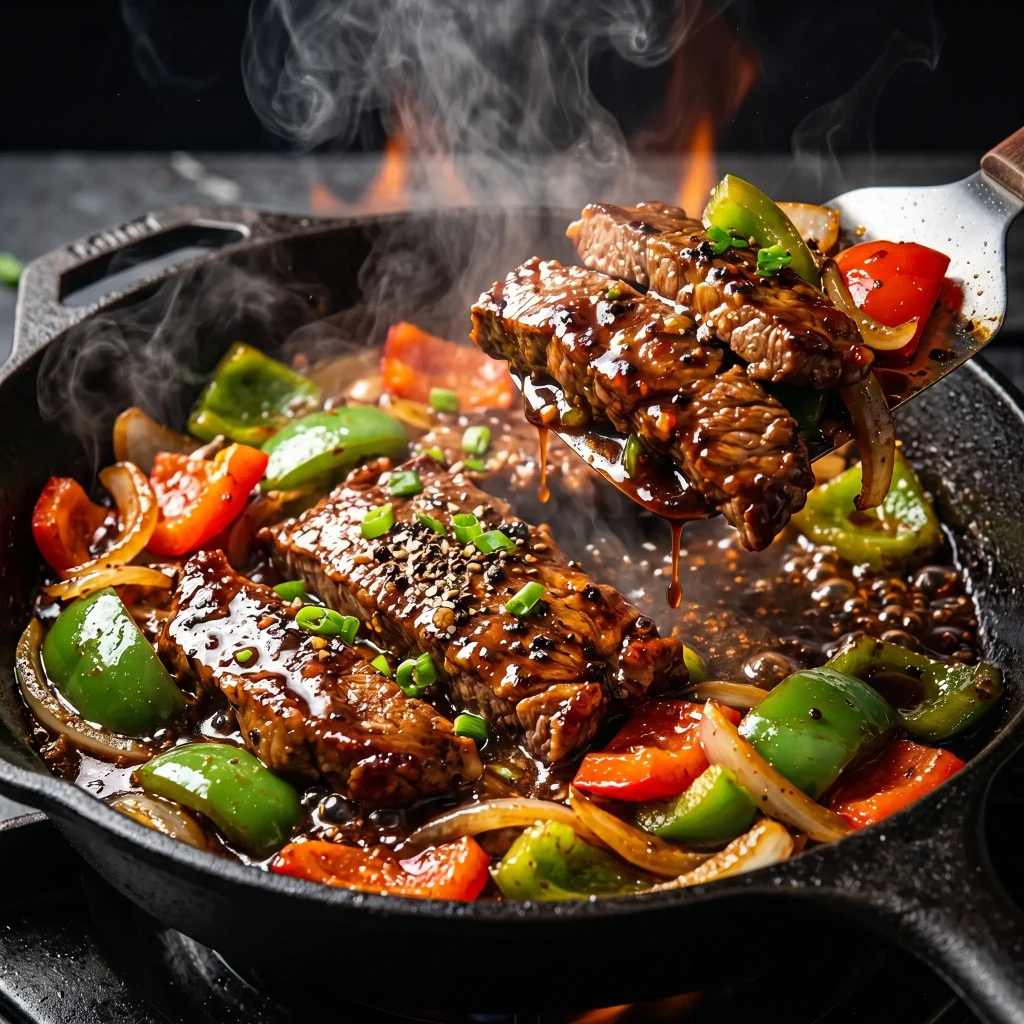
Stir-frying is one of the fastest, most efficient culinary styles on earth, but its speed can be incredibly deceptive. Because things move at a lightning-fast pace once the food hits the metal, you cannot afford to figure things out on the fly. If you are chopping your garlic while your beef is already searing, you have already lost the game. Success requires adjusting your workflow before you even touch your stove.
The absolute number-one rule of wok cooking techniques is practicing strict mise en place—a French culinary term that translates to “everything in its place.” Before you spark your burner, every single element must be fully prepped, measured, and positioned within arm’s reach of your stove. Your beef must be marinated, your peppers and onions sliced to uniform size, your garlic and ginger minced into fine aromatics, and your stir-fry sauce thoroughly mixed in a small bowl.
When you learn how to stir fry beef correctly, you realize that the actual cooking process takes less than five minutes. If your ingredients aren’t lined up like soldiers ready for battle, those precious seconds spent looking for a clean spatula or measuring out a tablespoon of sugar will result in scorched garlic, overcooked meat, and a ruined dinner.
Another common point of confusion is the vessel itself. There is a common myth that you absolutely must own a traditional carbon steel wok over a specialized gas ring to create great Chinese food. While a well-seasoned wok is an incredible tool that offers unmatched surface area and heat distribution, a heavy-duty cast-iron skillet or a thick-bottomed stainless steel pan makes an exceptional alternative on a standard home electric or induction cooktop.
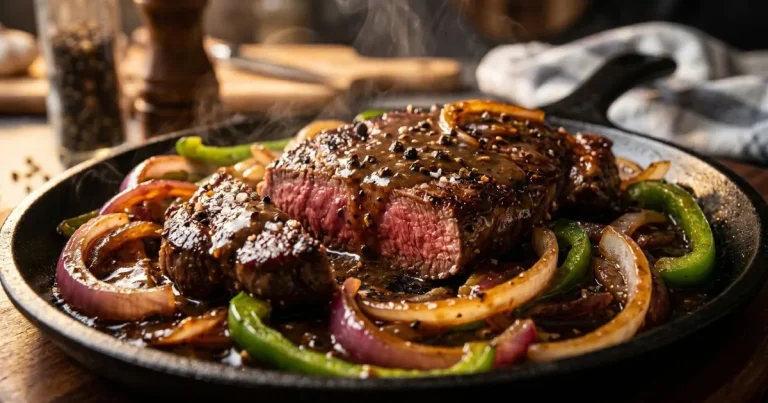
The real secret lies in managing thermal mass. When you drop cold ingredients into a thin, cheap pan, the surface temperature plummets instantly. Instead of searing the meat, the beef begins to release its juices and steam in its own moisture, turning gray and leathery. A heavy cast-iron or stainless steel skillet retains heat beautifully, allowing you to achieve that crucial, hard sear that locks in juices, even when working with domestic heating elements. Just remember the golden rule: never crowd the pan. If necessary, cook your ingredients in small batches to keep that pan screaming hot.
The Ultimate Takeout Secret: Velveting Beef
Have you ever wondered how Chinese restaurants manage to make even the leanest, most budget-friendly cuts of beef taste as tender as prime filet mignon? The answer lies in an indispensable culinary technique known as velveting.
Velveting is a traditional Chinese method used to marinate and protect lean meats before they are subjected to the intense, drying heat of a stir-fry pan. At its core, the process involves tossing thinly sliced meat with a precise combination of cornstarch, a splash of liquid (such as soy sauce or rice wine), and occasionally a tiny pinch of baking soda.
The science behind this easy stir-fry cooking tips technique is genuinely fascinating. When you apply cornstarch to the exterior of raw meat, it mixes with the surface moisture to form a microscopic, gelatinous shield. When this coated beef hits the hot oil of your skillet, that starch barrier instantly sets, trapping the natural juices inside the muscle fibers and preventing them from escaping.
Furthermore, if you include a minuscule amount of baking soda (sodium bicarbonate), it raises the pH level on the surface of the meat. This alkaline environment chemically relaxes the tight protein bonds within the beef, preventing them from constricting and squeezing out moisture when exposed to high heat. The result is a silky, incredibly tender texture—hence the term “velvet”—that allows the meat to hold onto the savory brown sauce perfectly.
Easy Home-Cooked Chinese Pepper Steak Recipe
Now that you understand the foundational science and structural techniques that elevate this dish from basic home cooking to restaurant-grade excellence, it is time to put that knowledge into practice. This recipe is streamlined for efficiency, allowing you to get a spectacular, nutritious meal on the table in under thirty minutes.
To ensure your success, ensure your ingredients are prepared exactly as specified in the reference table below. Slicing your beef and vegetables to a uniform thickness ensures that everything cooks at the exact same rate, preventing a situation where your onions are burnt while your peppers are completely raw.
Ingredient Checklist and Prep
| Ingredient Category | Item | Quantity | Purpose / Substitute |
| The Protein | Flank steak or Sirloin (thinly sliced against the grain) | 1 lb | The core protein. Flank steak provides the ideal balance of lean muscle and loose grain for maximum sauce absorption. |
| The Marinade | Soy sauce, ShaoXing wine, Cornstarch, Baking soda | 1 tbsp each (1/4 tsp baking soda) | The velveting mixture. Chemically tenderizes the beef fibers while forming a protective starch shield. |
| The Aromatics & Veg | Green and Red Bell Peppers, Yellow Onion, Fresh Garlic & Ginger | 2 peppers (total), 1 onion, 4 cloves garlic, 1 tbsp ginger | Provides the signature aromatic base notes, vibrant color contrast, and sweet, crisp crunch. |
| The Stir-Fry Sauce | Beef broth, Oyster sauce, Soy sauce, Sugar, Black pepper | 1/2 cup broth, 2 tbsp oyster, 1 tbsp soy, 1 tsp sugar, 1 tsp cracked pepper | The flavor engine. Combines to create a rich, savory, slightly sweet glaze with a prominent black pepper bite. |
Step-by-Step Cooking Guide
1.Slice and Velvet the Beef:Prep: 15 mins.
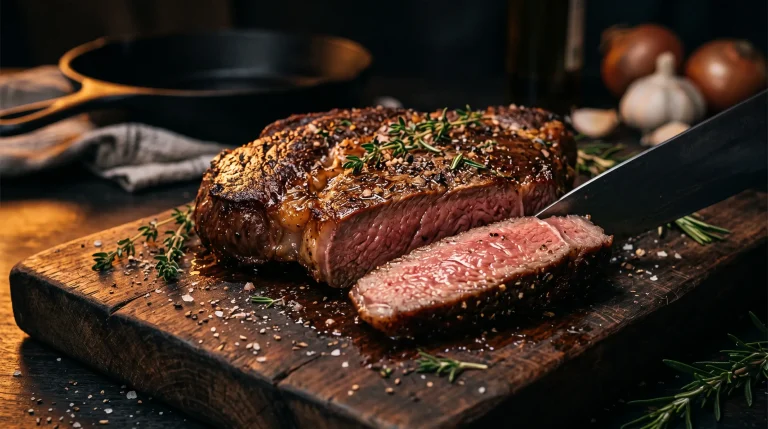
Locate the visible lines of muscle fiber running through your flank steak. Using a sharp knife held at a 45-degree angle, slice the beef across those lines into 1/4-inch thick, bite-sized strips. In a medium bowl, combine the sliced beef with the soy sauce, ShaoXing wine, cornstarch, and baking soda. Massage the mixture into the meat until the liquid is fully absorbed. Set aside at room temperature for 15 minutes. In a separate small bowl, whisk together all the ingredients for your stir-fry sauce.
2.Sear the Beef in Batches:Cook: 2-3 mins.
Set your heavy skillet or wok over your highest stove setting. Add one tablespoon of a high-smoke-point oil (like peanut, canola, or grapeseed oil) and let it heat until you see the very first wisps of white smoke rise from the surface. Carefully lay half of your marinated beef strips into the pan in a single, flat layer. Let them sear undisturbed for a full 60 seconds to develop a deep brown, savory crust. Toss the meat quickly for another 30 to 60 seconds until the pink color mostly disappears. Tip the beef out into a clean bowl, add another splash of oil to the pan, and repeat the process with the remaining half of the meat.
3.Blister the Vegetables and Aromatics:Cook: 2 mins.
Keep your pan on high heat and add one final splash of oil. Toss in your sliced bell peppers and yellow onions. Stir-fry them continuously, pressing them against the hot metal surfaces for 1 to 2 minutes. You want to see the edges turn slightly charred and blistered, while the interior retains a juicy, crisp snap. Reduce the heat slightly to medium-high, push the vegetables to the outer edges of the pan to create an empty space in the center, and drop in your finely minced garlic and grated ginger. Stir these aromatics constantly in that center pocket for exactly 30 seconds until your kitchen smells incredible, taking care not to let the garlic burn.
4.Combine, Sauce, and Thicken:Cook: 1 min.
Give your prepared stir-fry sauce bowl a quick stir to resuspend any settled sugar or starch, then pour it directly into the hot pan with the vegetables. Let the liquid bubble up and come to a vigorous boil, which instantly activates the cornstarch in the sauce. Pour the seared beef along with any resting juices back into the pan. Toss everything together vigorously for roughly 45 to 60 seconds. The sauce will rapidly reduce, transforming into a glossy, dark mahogany glaze that tightly hugs every single strip of beef and piece of pepper. Turn off the heat entirely, drizzle your toasted sesame oil over the top, give it one final toss, and serve immediately over hot steamed jasmine rice.
The Physics of the Perfect Sear: Slicing your meat against the grain is a critical physical transformation. When you cut across the long, tough strands of muscle fiber, you shorten them into tiny fractions. This means your teeth don’t have to work hard to break down the meat when you chew. If you slice with the grain, those long structural proteins remain intact, ensuring your beef will turn out rubbery and stringy no matter how long it marinates or how perfectly you velvet it. Always look closely at the direction of the lines on your raw steak before making your first cut.
Frequently Asked Questions (FAQ)
What is the best cut of meat for Chinese pepper steak?
Flank steak is universally considered the ideal choice for this traditional pepper steak recipe due to its wide, coarse grain structure, which excels at grabbing onto marinades and sauces. If flank steak isn’t available at your local butcher, top sirloin, flat iron, or tri-tip steaks make phenomenal alternatives. Try to avoid highly worked, collagen-dense cuts like beef chuck, round, or brisket for this application; these varieties require hours of low-and-slow braising to become tender and will turn into unchewable leather if subjected to a rapid, high-heat stir-fry.
Can I make this dish gluten-free?
Absolutely. Standard Chinese pepper steak recipes rely heavily on conventional soy sauce and wheat-thickened oyster sauces, which naturally contain gluten. To convert this into a completely gluten-free masterpiece, simply substitute the light and dark soy sauces with an equal amount of certified gluten-free tamari or coconut aminos. Additionally, carefully inspect the labels on your oyster sauce purchase to ensure it is explicitly certified gluten-free, or substitute it with a premium gluten-free mushroom-based stir-fry sauce. Cornstarch is naturally gluten-free, so no modifications are required for the velveting step.
Why is my stir-fry beef tough and chewy?
If your beef turns out tough, it is almost always traceable back to three classic errors. First, you may have sliced the beef parallel to the muscle fibers instead of cutting cleanly across the grain. Second, you might have skipped the essential cornstarch and baking soda velveting marinade, leaving the lean beef proteins entirely unprotected against the harsh heat of your pan. Finally, you may have overcrowded your skillet; dropping too much cold meat into the pan at once causes the temperature to drop, forcing the beef to slowly stew in its own boiling liquid for five minutes rather than getting a clean, instantaneous 90-second sear.
How do I store and reheat leftover pepper steak?
To preserve the quality of your leftovers, transfer the cooled pepper steak into a clean, airtight glass container and place it in the refrigerator within two hours of cooking; it will remain safe and delicious for up to three days. When it is time to reheat, try to bypass your microwave, as it will overcook the beef fibers and turn your remaining bell peppers into a limp, mushy texture. Instead, flash-fry the leftovers by heating a skillet over medium-high heat with a single tablespoon of water or low-sodium beef broth. Toss the leftovers continuously for 1 to 2 minutes until just heated through; this revives the glossy emulsion of the sauce without destroying the crisp integrity of the vegetables.
Bringing the Wok Cooking Experience Home
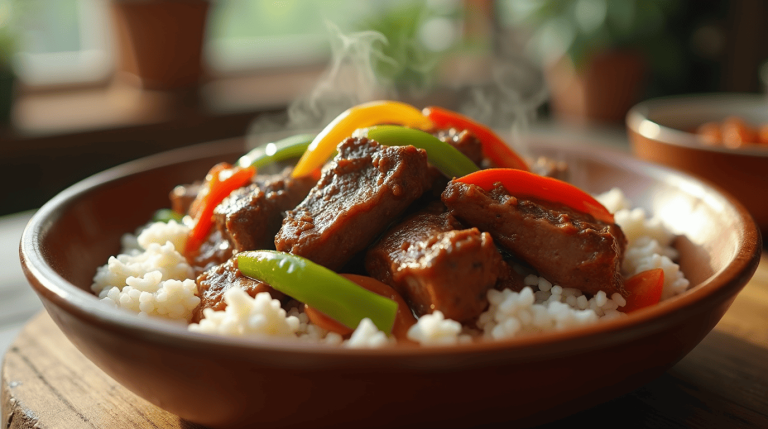
Recreating your ultimate restaurant comfort foods doesn’t require an expensive commercial kitchen setup, access to specialized industrial appliances, or decades of professional culinary schooling. It simply requires a willingness to respect the underlying mechanics of heat, timing, and preparation. By shifting your kitchen workflow to prioritize meticulous prep work, mastering the art of a high-heat sear, and embracing the protective chemistry of a simple cornstarch velvet marinade, you can reliably whip up a flawless Chinese pepper steak that easily outshines any cardboard takeout container.
The beauty of home cooking is that you are in complete control of the quality of your ingredients, the salt levels, and the freshness of your produce. Once you feel comfortable with this core recipe, feel free to make it your own—add a splash of chili oil for extra heat, swap in orange bell peppers for a sweeter profile, or experiment with adding snap peas into the vegetable mix.
Now, it’s your turn to take command of the stove. Dust off your heaviest skillet, hit up the grocery store for some fresh bell peppers and flank steak, and put these pro-level stir-fry techniques to the test tonight!
Did you try making this recipe at home? Drop a comment below to let us know how your very first velvet-sear turned out, or share this guide with your favorite fellow home cook who is ready to ditch the takeout menu for good!