Chicken Broccoli Rice: 5 Steps to the Best Dinner
chicken broccoli rice
Some dinners come and go with changing food trends, while others remain household favorites year after year. Chicken broccoli rice belongs firmly in the second category. Whether you’re cooking for a busy family, preparing meals for the week, or trying to eat healthier without sacrificing flavor, this simple combination checks nearly every box. It delivers lean protein, satisfying carbohydrates, and nutrient-rich vegetables in one complete meal. Better yet, it can be customized endlessly depending on your preferences, dietary goals, and pantry staples.
One reason this dish has become a global favorite is its remarkable flexibility. You can prepare it in under 40 minutes for a weeknight dinner or elevate it with gourmet ingredients for a special occasion. Add garlic butter for richness, Parmesan for depth, spicy chili flakes for heat, or creamy cheese for comfort. It works equally well in casseroles, stir-fries, sheet-pan meals, and meal-prep containers. That versatility makes it a dependable recipe that rarely feels repetitive, even if you cook it regularly.
Table of Contents
Another advantage is affordability. Chicken breast or thighs, rice, and broccoli are widely available and relatively inexpensive compared with many other proteins and vegetables. Families can prepare several generous servings without stretching the grocery budget. Since the ingredients store well in both the refrigerator and freezer, they also help reduce food waste. Many home cooks appreciate recipes that deliver both value and nutrition, and this meal accomplishes exactly that.
The meal also aligns with many popular eating plans. Fitness enthusiasts often rely on chicken, rice, and broccoli because it provides high-quality protein alongside complex carbohydrates and fiber. While it has become something of a stereotype in bodybuilding circles, there’s a good reason for its popularity—it simply works. With the right seasonings and cooking methods, it transforms from a bland diet plate into a flavorful dinner that everyone at the table can enjoy.
Why This Meal Is So Popular
Balanced Nutrition
A well-balanced plate should include protein, carbohydrates, healthy fats, vitamins, and minerals. Chicken broccoli rice naturally brings most of those together without requiring complicated ingredients. Chicken supplies complete protein that supports muscle repair and keeps you feeling satisfied. Rice provides energy through carbohydrates, while broccoli contributes fiber, vitamin C, vitamin K, potassium, and antioxidants.
Health professionals consistently recommend including colorful vegetables alongside lean proteins, making broccoli an excellent companion to chicken. Even a simple drizzle of olive oil introduces heart-healthy fats while enhancing flavor and helping the body absorb fat-soluble vitamins. The result is a meal that satisfies hunger without feeling excessively heavy.
Many athletes and meal-prep enthusiasts favor this recipe because portion sizes are easy to adjust. Someone trying to gain muscle can increase the rice and protein, while someone focusing on weight management can emphasize broccoli and reduce the carbohydrate portion. This flexibility explains why the meal appears everywhere—from fitness blogs to family dinner tables.
Budget-Friendly Ingredients
Few recipes offer such excellent value. Chicken is often among the least expensive animal proteins available, particularly when purchased in family packs. Rice remains one of the world’s most economical staple foods, and broccoli is affordable whether purchased fresh or frozen. Together, these ingredients can feed several people at a surprisingly low cost.
Buying ingredients in bulk further reduces expenses. Rice stores for months in an airtight container, frozen broccoli lasts for many months in the freezer, and chicken can be portioned before freezing. This allows families to prepare nutritious dinners without frequent grocery trips.
Another hidden financial benefit comes from leftovers. Chicken broccoli rice reheats beautifully when stored correctly, making it ideal for packed lunches or quick dinners later in the week. According to food safety guidance, cooked poultry should reach an internal temperature of 165°F (74°C) before serving, and leftovers should also be reheated to that temperature for safety.
Ingredients You’ll Need
The beauty of this recipe lies in its simplicity, but quality ingredients make a noticeable difference.
| Ingredient | Recommended Choice | Why It Works |
|---|---|---|
| Chicken | Boneless skinless breast or thighs | Lean, juicy, versatile |
| Rice | Jasmine or long-grain white rice | Fluffy texture |
| Broccoli | Fresh florets | Better texture and color |
| Garlic | Fresh cloves | Rich flavor |
| Butter | Unsalted | Controls seasoning |
| Olive oil | Extra virgin | Healthy fat |
| Chicken broth | Low sodium | Adds depth to rice |
| Salt & Pepper | Freshly ground | Essential seasoning |
| Paprika | Smoked preferred | Warm flavor |
| Parmesan | Fresh grated | Optional richness |
Choosing the Best Chicken
Chicken breast is the classic option because it cooks quickly and remains lean, making it perfect for healthy dinners. Chicken thighs, however, contain slightly more fat and often produce an even juicier result. The choice depends on your taste preferences rather than strict rules.

Food safety experts recommend cooking all poultry until it reaches an internal temperature of 165°F (74°C), measured with a food thermometer at the thickest part of the meat. Color alone isn’t considered a reliable indicator of doneness.
Step 1 – Prepare the Ingredients
Every memorable meal begins long before the pan is heated. The secret behind a restaurant-quality chicken broccoli rice dinner is preparation. Professional chefs often refer to this as mise en place, a French phrase meaning “everything in its place.” While the term may sound fancy, the concept is simple: gather, wash, chop, measure, and organize all your ingredients before cooking. This approach not only makes the cooking process smoother but also prevents common mistakes like overcooked chicken or mushy broccoli caused by rushing between tasks.
Start by trimming any excess fat from the chicken and cutting it into evenly sized bite-sized pieces or thin strips. Uniform pieces ensure that every piece cooks at the same rate, eliminating the frustration of some pieces drying out while others remain undercooked. Pat the chicken dry with paper towels before seasoning. Removing excess moisture helps the chicken develop a beautiful golden crust instead of steaming in the pan.
Next, rinse and prepare the broccoli. Fresh broccoli should be cut into evenly sized florets so that every piece becomes perfectly tender without turning soft. If you’re using frozen broccoli, there’s no need to thaw it completely. In fact, adding it directly to boiling water or steaming it briefly often helps preserve its texture better than thawing it first.
Measure your rice, broth or water, spices, garlic, butter, olive oil, and optional ingredients like Parmesan cheese before turning on the stove. Having everything within reach allows you to focus on cooking rather than searching through cabinets while ingredients overcook. Small details like this separate an average homemade dinner from one that feels thoughtfully prepared.
Season the chicken generously with salt, black pepper, garlic powder, paprika, and a touch of onion powder. If time allows, let the chicken rest for 15 to 30 minutes after seasoning. This short resting period gives the spices time to penetrate the surface, resulting in deeper flavor throughout the meat. While the chicken rests, you can prepare the rice and broccoli, making the entire cooking process remarkably efficient.
Step 2 – Cook Juicy Chicken
Chicken often determines whether this meal becomes unforgettable or disappointing. Dry, rubbery chicken can ruin even perfectly cooked rice and vegetables, while juicy, flavorful chicken elevates every bite. Achieving that juicy texture isn’t difficult, but it requires attention to heat, timing, and patience.
Begin by heating a large skillet over medium-high heat before adding olive oil. A properly heated pan allows the chicken to sear immediately, creating a flavorful golden crust through caramelization. Avoid overcrowding the pan. If too many chicken pieces are added at once, they release moisture and begin steaming instead of browning. Cook in batches if necessary.
Place the seasoned chicken into the hot skillet in a single layer. Resist the temptation to stir constantly. Let each side cook undisturbed for several minutes before flipping. This develops color, texture, and flavor while helping seal in the juices. Once flipped, continue cooking until the internal temperature reaches 165°F (74°C).
After cooking, remove the chicken from the skillet and let it rest for about five minutes before combining it with the other ingredients. During this resting period, the juices redistribute throughout the meat instead of escaping onto the plate. The difference may seem small, but it significantly improves tenderness.
If you enjoy bold flavors, this is also the ideal stage to introduce additional ingredients. Fresh minced garlic can be sautéed in the remaining pan juices, while a splash of chicken broth, lemon juice, or low-sodium soy sauce creates an aromatic base that later coats the rice beautifully. Some cooks even finish the chicken with a small pat of butter, creating a silky glaze that enhances richness without making the dish overly heavy.
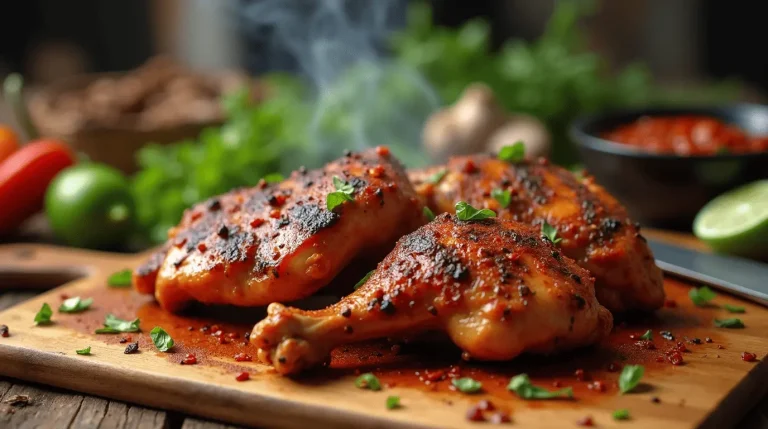
The finished chicken should be lightly golden on the outside, juicy on the inside, and packed with seasoning that complements the rice rather than overpowering it.
Step 3 – Make Perfect Rice
Rice may appear to be the simplest ingredient in the recipe, yet it often determines whether the finished meal feels light and fluffy or dense and sticky. Perfect rice should have distinct grains that absorb flavor while maintaining a pleasant texture.
Begin by rinsing the rice under cold water until the water runs nearly clear. This simple step removes excess surface starch, preventing the grains from sticking together during cooking. Many home cooks skip this process, but it dramatically improves the final texture.
Cooking the rice in low-sodium chicken broth instead of plain water instantly adds another layer of flavor. A small amount of butter and a pinch of salt further enhance the taste without requiring complicated seasonings. Bring the liquid to a gentle boil, stir in the rice, reduce the heat to low, cover with a tight-fitting lid, and allow it to cook undisturbed.
One of the biggest mistakes people make is lifting the lid repeatedly. Every peek releases steam, changing the cooking environment and potentially producing unevenly cooked rice. Patience is rewarded here. Once the cooking time is complete, remove the pot from the heat but leave the lid on for another ten minutes. This resting period allows any remaining moisture to distribute evenly throughout the grains.
Finally, fluff the rice gently using a fork instead of a spoon. Fork tines separate the grains without crushing them, creating the light texture associated with high-quality rice dishes. At this stage, the rice should be fragrant, tender, and ready to absorb the flavors of the chicken and broccoli.
Step 4 – Cook Bright Green Broccoli
Broccoli provides freshness, color, and nutritional value, but it can quickly become the weakest component of the dish if overcooked. The goal is vibrant green florets that remain slightly crisp while becoming tender enough to enjoy comfortably.
Steaming is often considered the best cooking method because it preserves nutrients, natural sweetness, and texture. Place the broccoli in a steamer basket over simmering water and cook for approximately four to five minutes. The florets should become bright green and tender-crisp rather than soft.
Blanching is another excellent technique. Briefly boil the broccoli for two to three minutes before immediately transferring it into ice water. This rapid cooling process stops the cooking instantly and helps preserve the vegetable’s vivid green color. Restaurants frequently use this method because it creates visually appealing vegetables with exceptional texture.
If you prefer richer flavor, sauté the broccoli in olive oil with minced garlic after steaming. A squeeze of fresh lemon juice or a sprinkle of black pepper enhances the natural sweetness without overpowering the dish. Avoid excessive cooking time, as prolonged heat not only softens the broccoli but also dulls its vibrant color and diminishes its fresh taste.
The finished broccoli should contribute both texture and brightness, balancing the hearty chicken and fluffy rice.
Step 5 – Combine Everything
This final step is where the individual ingredients come together to create a harmonious meal. Return the cooked chicken to the skillet, add the prepared rice, and gently fold in the broccoli. Stir carefully to distribute the ingredients evenly while avoiding breaking apart the broccoli florets.
Allow everything to cook together over low heat for two to three minutes. This brief period lets the flavors blend naturally without overcooking any component. If the mixture seems dry, add a splash of warm chicken broth or a small amount of melted butter. The additional moisture creates a light coating that ties the ingredients together.
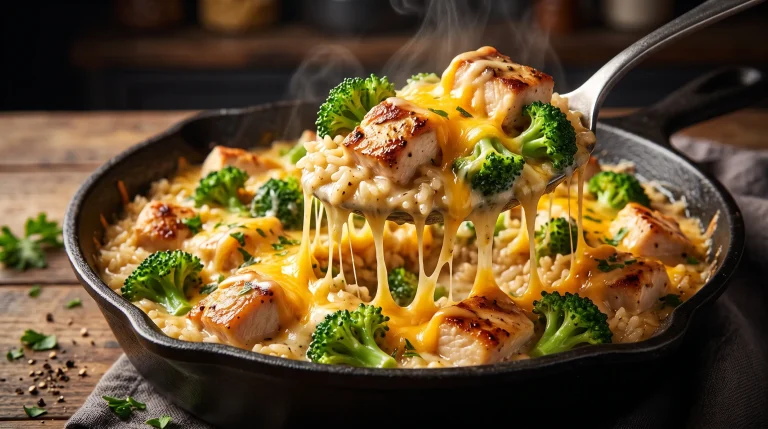
For those who enjoy creamy dishes, freshly grated Parmesan cheese melts beautifully into the warm rice, creating a subtle richness without becoming overly heavy. Alternatively, a light cheddar cheese sauce transforms the meal into a comforting casserole-style dinner. If you prefer Asian-inspired flavors, a drizzle of teriyaki sauce or low-sodium soy sauce adds sweetness and umami.
Finish the dish with chopped fresh parsley, sliced green onions, or a squeeze of lemon juice. These final touches brighten the flavors and make the meal look as appealing as it tastes. At this point, every forkful should include juicy chicken, fluffy rice, tender broccoli, and perfectly balanced seasoning—a simple dinner elevated through careful technique rather than complicated ingredients.
Optional Sauces
Choosing the right sauce allows you to customize this recipe without changing its core ingredients. Popular options include:
| Sauce | Flavor Profile | Best For |
|---|---|---|
| Garlic Butter | Rich and savory | Classic comfort food |
| Teriyaki | Sweet and savory | Asian-inspired meals |
| Lemon Herb | Fresh and light | Healthy dinners |
| Parmesan Cream | Creamy and cheesy | Family comfort meals |
| Honey Mustard | Sweet and tangy | Grilled chicken variations |
Cheese Variations
Adding cheese changes both the flavor and texture of the dish. Parmesan offers a salty, nutty finish, while sharp cheddar creates a creamy, indulgent casserole-style meal. Mozzarella provides a mild, stretchy texture, making it a favorite for baked versions. Pepper Jack introduces a hint of spice, and Gruyère delivers a rich, sophisticated flavor that pairs exceptionally well with roasted broccoli.
Regardless of which cheese you choose, add it gradually while the ingredients are still warm so it melts evenly throughout the dish instead of clumping together.
Nutrition Breakdown
One of the biggest reasons Chicken Broccoli Rice has earned a permanent place in kitchens around the world is its impressive nutritional profile. Unlike many comfort foods that rely heavily on refined carbohydrates or saturated fats, this dish naturally combines lean protein, complex carbohydrates, fiber, vitamins, and minerals into a single balanced meal. Whether you’re feeding a growing family, supporting an active lifestyle, or simply trying to eat healthier, this recipe provides nourishment without unnecessary complexity.
Chicken is an excellent source of complete protein, supplying all nine essential amino acids your body needs to build and repair muscle tissue. Protein also helps you stay full longer, making it easier to manage hunger between meals. Rice supplies carbohydrates that provide steady energy throughout the day, while broccoli contributes fiber that supports digestion and promotes long-lasting satiety. Beyond fiber, broccoli is rich in vitamins C and K, folate, potassium, and antioxidants that help protect cells from oxidative stress.
The nutritional value can easily be adjusted to meet different dietary goals. Brown rice increases fiber and micronutrients, cauliflower rice lowers carbohydrates, and adding extra vegetables boosts vitamin intake even further. Using olive oil instead of heavy cream keeps saturated fat lower while still adding satisfying richness. Small adjustments like these allow the recipe to fit a wide range of eating styles without sacrificing flavor.
| Nutrient | Approximate Amount (Per Serving) |
|---|---|
| Calories | 480–550 kcal |
| Protein | 38–42 g |
| Carbohydrates | 42–48 g |
| Fat | 12–16 g |
| Fiber | 5–7 g |
| Vitamin C | High |
| Vitamin K | High |
These values will naturally vary depending on the exact ingredients, cooking methods, and portion sizes you choose.
Meal Prep Tips
Few recipes are as meal-prep friendly as Chicken Broccoli Rice. Preparing multiple portions in advance saves time, reduces stress during busy weekdays, and helps limit the temptation to rely on less nutritious convenience foods. Since each component stores well, you can cook a large batch once and enjoy several balanced meals throughout the week.
Allow the cooked food to cool slightly before dividing it into airtight containers. Keeping portions consistent makes tracking calories or protein intake much easier for those following specific nutrition goals. If possible, store a small container of sauce separately so the rice and broccoli maintain their texture until serving time.
When reheating, sprinkle a tablespoon of water or chicken broth over the rice before microwaving. This simple trick restores moisture and prevents the rice from becoming dry. Covering the container loosely while reheating also helps trap steam, producing a fresher texture. If using a skillet, warm the meal over medium-low heat with a splash of broth until heated through.
For longer storage, freeze individual portions in freezer-safe containers. Label each container with the preparation date to make rotation easier. Frozen portions can typically be enjoyed for several months when stored properly, making this recipe an excellent choice for busy professionals, students, or families who appreciate ready-to-eat homemade meals.
Common Mistakes to Avoid
Even simple recipes have pitfalls that can affect the final result. Fortunately, most mistakes are easy to prevent with a little planning and attention to detail.
One of the most common errors is overcooking the chicken. Lean chicken breast cooks quickly, and leaving it on the heat for only a few extra minutes can dramatically reduce its tenderness. Using an instant-read thermometer removes the guesswork and helps achieve perfectly cooked meat every time.
Another frequent mistake is cooking broccoli for too long. Overcooked broccoli loses its vibrant green color, pleasant texture, and fresh flavor. Instead of becoming tender-crisp, it turns soft and watery, which affects the overall appeal of the meal.
Rice preparation also deserves attention. Adding too much liquid can create mushy rice, while insufficient liquid leaves the grains undercooked. Measuring carefully and allowing the rice to rest after cooking are simple habits that consistently improve texture.
Finally, don’t underestimate seasoning. Chicken, rice, and broccoli are naturally mild ingredients. Salt, pepper, garlic, paprika, herbs, and a touch of acidity from lemon juice work together to create a balanced flavor profile. Tasting and adjusting seasoning before serving is one of the easiest ways to transform a good meal into a great one.
Delicious Variations
One of the greatest strengths of Chicken Broccoli Rice is its adaptability. A few ingredient changes can completely transform the flavor while keeping the recipe simple and nutritious.
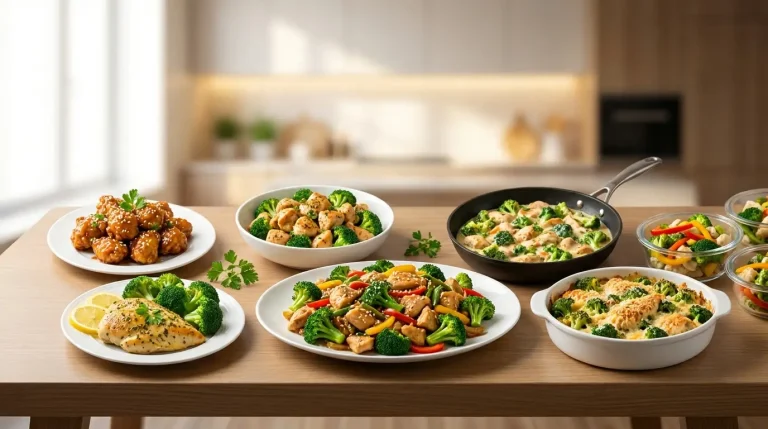
For a comforting casserole, mix the cooked ingredients with a light cheese sauce, sprinkle shredded cheddar over the top, and bake until bubbly and golden. This variation is especially popular for family dinners and potlucks.
If you enjoy Asian-inspired flavors, replace the butter with sesame oil, season the chicken with ginger and garlic, and finish the dish with a light teriyaki or soy-based sauce. Garnish with sesame seeds and sliced green onions for extra texture and visual appeal.
Mediterranean enthusiasts can incorporate oregano, basil, roasted red peppers, olives, and crumbled feta cheese. The bright herbs and tangy cheese create a refreshing twist that feels entirely different from the classic version.
For those following lower-carbohydrate eating plans, substitute cauliflower rice for traditional rice. While the texture changes slightly, the meal remains filling thanks to the generous amount of protein and vegetables. You can also increase the broccoli and add mushrooms, zucchini, bell peppers, or spinach for even greater variety and nutrition.
Serving Suggestions
Presentation plays an important role in making a simple meal feel special. Although Chicken Broccoli Rice is satisfying on its own, pairing it with complementary side dishes creates a more complete dining experience.
A crisp green salad with a light vinaigrette provides freshness and contrasts nicely with the warm rice. Warm whole-grain dinner rolls or garlic bread work well for guests who prefer a heartier meal. Roasted vegetables such as carrots, asparagus, or Brussels sprouts add additional color and nutritional value.
For beverages, sparkling water with lemon, iced tea, or freshly squeezed lemonade keeps the meal refreshing without overwhelming its flavors. If you’re serving the dish for a dinner gathering, finishing with a light dessert such as fresh fruit or yogurt creates a balanced menu that doesn’t feel overly heavy.
Simple garnishes also make a noticeable difference. Fresh parsley, chopped chives, grated Parmesan, cracked black pepper, or toasted almonds add visual appeal while contributing extra flavor and texture.
Storage and Reheating
Proper storage ensures that leftovers remain both delicious and safe to eat. After cooking, allow the meal to cool for a short period before transferring it into airtight containers. Avoid leaving cooked food at room temperature for extended periods.
Store refrigerated portions for up to four days. When reheating, ensure the chicken is heated thoroughly and stir the rice halfway through to promote even warming. Adding a splash of broth or water prevents dryness and helps restore the original texture.
Frozen portions should be thawed overnight in the refrigerator whenever possible before reheating. This gradual thawing helps preserve texture better than rapid thawing methods. Whether reheating in a microwave, skillet, or oven, warming the dish gently rather than aggressively helps maintain juicy chicken and fluffy rice.
With proper storage techniques, leftovers often taste nearly as good as the day they were prepared, making this recipe one of the most practical choices for busy households.
Conclusion
Chicken Broccoli Rice continues to earn its reputation as one of the most dependable and satisfying homemade dinners because it successfully combines simplicity, affordability, nutrition, and outstanding flavor. Each ingredient plays an important role: the chicken provides lean protein, the rice supplies satisfying energy, and the broccoli contributes vibrant color, freshness, and essential nutrients. Together, they create a meal that feels wholesome without requiring advanced cooking skills or expensive ingredients.
Following the five-step approach—preparing ingredients carefully, cooking juicy chicken, making fluffy rice, preserving crisp broccoli, and combining everything with thoughtful seasoning—produces consistently delicious results. Once you’ve mastered the basic recipe, experimenting with different herbs, cheeses, sauces, and vegetables allows you to create countless variations while keeping the same dependable foundation.
Whether you’re preparing dinner for your family, cooking for guests, or planning meals for the week ahead, Chicken Broccoli Rice remains a timeless recipe that delivers comfort, nourishment, and versatility in every serving.
Frequently Asked Questions
1. Can I use frozen broccoli instead of fresh?
Yes. Frozen broccoli is an excellent alternative and often just as nutritious. Steam or cook it briefly to avoid excess moisture and maintain a pleasant texture.
2. Which rice works best for this recipe?
Jasmine rice provides a light, fragrant texture, while long-grain white rice offers fluffy grains. Brown rice is a nutritious option if you prefer extra fiber.
3. Can I prepare Chicken Broccoli Rice ahead of time?
Absolutely. It is one of the best meal-prep recipes because it stores and reheats well. Divide it into individual containers for quick lunches or dinners throughout the week.
4. How can I make this recipe healthier?
Choose skinless chicken breast, use brown or cauliflower rice, reduce the amount of butter and cheese, and increase the vegetable portion for a lighter yet satisfying meal.
5. What seasonings pair best with Chicken Broccoli Rice?
Garlic, onion powder, paprika, black pepper, parsley, thyme, rosemary, lemon juice, Parmesan cheese, and a touch of soy or teriyaki sauce are all excellent choices depending on your preferred flavor profile.
Did You Try Our Recipe?
There are no reviews yet. Be the first one to write one.