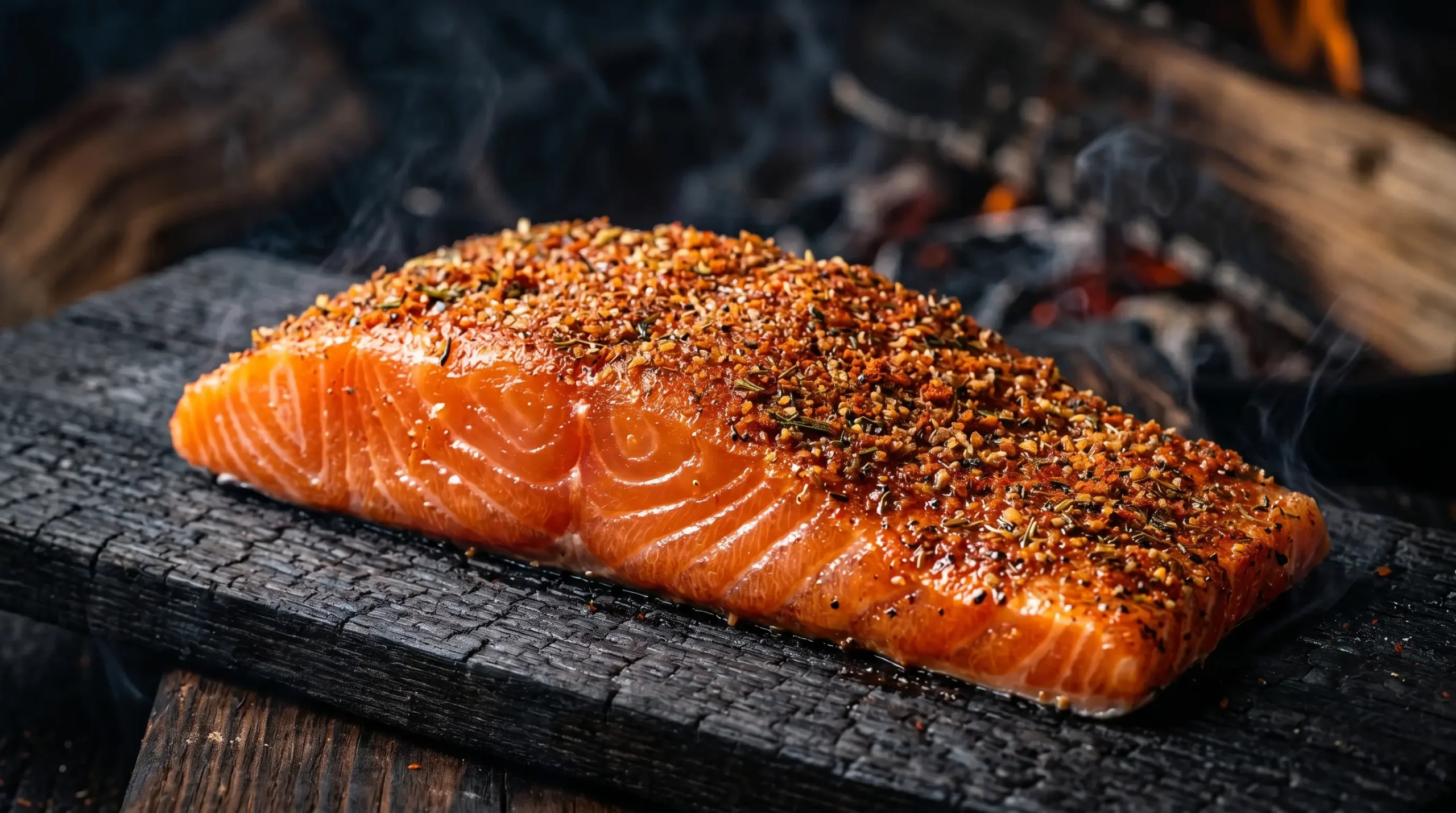
Smoked Salmon Rub: Simple Seasoning Ideas for Rich Smoky Flavor
smoked salmon rub
There is a distinct, almost magical shift in the air when your smoker finally reaches temperature. It’s a sensory ritual that demands you slow down, step away from the relentless buzz of daily screens, and connect with a primitive style of cooking. If you’ve ever waited hours for a beautiful side of salmon, checking your watch and managing your wood chunks, only to have it turn out dry, chalky, overly salty, or entirely masked by acrid, bitter smoke, you know the quiet disappointment that follows.
Salmon is a beautiful, delicate fish. It possesses an elegant, buttery richness that doesn’t need to be wrestled into submission or completely overpowered by heavy-handed ingredients. It needs a companion. The right smoked salmon rub bridges the gap between the rich, natural oils of the fish and the deep, complex notes of the wood smoke. It transforms a simple piece of seafood into a backyard triumph—the kind of meal that brings people lingering around the table, picking at the smoky edges long after the plates are clear.
Table of Contents
Why a Dedicated Smoked Salmon Rub Matters
When you throw a steak on a screaming-hot cast-iron skillet, you are chasing the Maillard reaction—a rapid searing of proteins and sugars that happens in seconds. Smoking a side of salmon is the exact polar opposite. It is an exercise in patience, a low-and-slow dance where heat, time, and wood smoke gradually transform raw tissue into something extraordinary. Because this process is slow, your choice of seasoning behaves differently than it would under a broiler or on a hot grill grate. A dedicated rub isn’t just decoration; it is a functional tool.
The Science of Flavor Layers
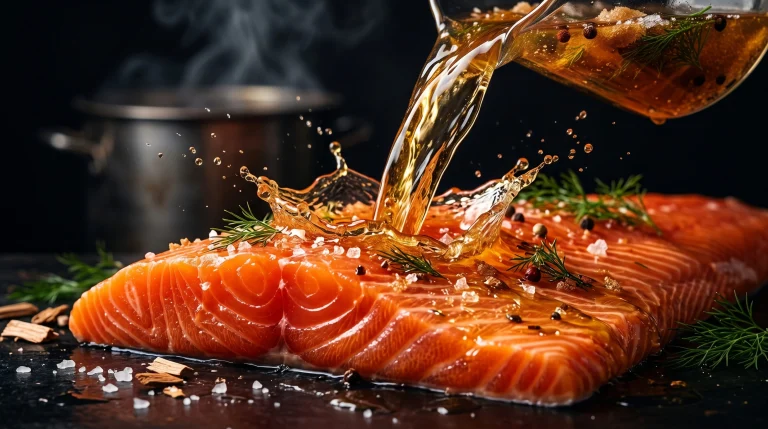
During a low-and-slow smoke, a dry rub undergoes a fascinating chemical relationship with the surface of the fish. As the temperature rises gently, the ambient heat coaxes natural oils and subtle moisture out of the salmon’s muscle fibers. This surface moisture dissolves the crystalline structures of your salt and sugar, turning your dry rub into a rich, concentrated glaze right before your eyes.
This liquid layer traps the passing wood smoke molecules, filtering them down into the meat rather than letting them glide harmlessly off the skin. Without a proper rub to catch these flavor compounds, your fish can end up tasting less like authentic barbecue and more like a piece of fish that just happened to sit in a smoky room.
The Critical Role of Salt and Sugar
To understand why a salmon rub requires a highly specific anatomy, you have to look at how salt and sugar interact with fish proteins. Salmon contains a high volume of water and delicate fats.
- Coarse Salt: Salt behaves like a microscopic drill. It penetrates the surface of the meat, breaking down tight protein filaments. This structural change allows the salmon to retain its natural juices even as it sits in the dry environment of a smoker. More importantly, salt draws out a specific protein called myosin, which moves to the surface and dries out into a glossy, sticky skin. In the culinary world, this sticky surface layer is known as the pellicle. Without a well-formed pellicle, wood smoke cannot properly adhere to your fish.
- Sugar: Sugar is the ultimate counterweight. Because salmon is highly absorbent, a pure salt rub would quickly cure the fish, turning it into something resembling salty wood planking. Sugar draws moisture from the air and the fish, holding it at the surface to prevent evaporation. As the smoke session progresses, the sugar slowly caramelizes, creating a beautiful, mahogany-colored crust—often referred to by pitmasters as the “bark.”
[Dry Rub Applied] ➔ [Salt Draws Out Moisture] ➔ [Sticky Pellicle Forms] ➔ [Smoke Molecules Adhere] ➔ [Sugar Caramelizes into Bark]
The Sweet and Savory Master Formula
You don’t need a pantry overflowing with exotic, hard-to-find ingredients to craft an elite seasoning blend. The finest backyard pitmasters rely on a fundamental blueprint that respects the natural flavor of the seafood while establishing a balanced foundation of sweet, salty, earthy, and aromatic notes.
The Anatomy of a Perfect Balance
The baseline ratio for an exceptional smoked salmon rub centers on a two-to-one relationship between sugar and salt. Because salmon is inherently rich and oily, it can handle—and actually requires—a higher concentration of sweetness than chicken or beef. Dark brown sugar is the undisputed champion here. Unlike white granulated sugar, which is pure sweetness, dark brown sugar contains natural molasses. This introduces a deep, caramel-like complexity and a slight acidity that cuts beautifully through the oily texture of sockeye or king salmon.
The salt you choose matters just as much as the ratio. Never reach for standard table salt. Its fine, microscopic grains pack tightly together, making it incredibly easy to accidentally over-salts your fish. Instead, always opt for coarse kosher salt or flaky sea salt. The larger crystals dissolve much more slowly, giving you precise control over the curing process and ensuring a balanced distribution of flavor.
Master Recipe Ingredients
Here is your baseline master formula. It makes roughly one cup of rub, which is more than enough to generously season a full three-pound side of salmon. You can mix this together in a small bowl or jar in less than five minutes.
| Ingredient | Measurement | Purpose in the Profile |
| Dark Brown Sugar | 1/2 cup | Creates caramelization, locks in core moisture, provides deep sweetness |
| Coarse Kosher Salt | 1/4 cup | Draws out surface moisture for the pellicle, enhances natural flavors |
| Smoked Paprika | 2 tbsp | Infuses a vibrant red color and adds a mild, earthy undertone |
| Garlic Powder | 1 tbsp | Establishes a savory, pungent baseline aromatic note |
| Onion Powder | 1 tbsp | Complements the garlic with a subtle, sweet aromatic depth |
| Black Pepper (Freshly Cracked) | 1 tbsp | Delivers a sharp, biting heat that punches through the sugar |
| Cayenne Pepper | 1/2 tsp | Adds an optional, warm kick to slice through the fish’s natural fat |
To assemble, combine all ingredients in a dry bowl. Use a fork or your fingers to break up any stubborn clumps of brown sugar until the mixture looks like uniform, damp sand. If you aren’t using it immediately, seal it up tightly; brown sugar loves to absorb ambient humidity and can harden into a brick if left exposed to the air.
3 Simple Flavor Variations to Customize Your Fish
Once you have memorized the master sweet and savory formula, you can treat it as a blank canvas. Depending on the specific variety of salmon you are smoking, your choice of wood, or simply your mood, you can easily shift the flavor profile in entirely new directions by adding a few carefully selected ingredients.
                  ┌─── 1. Pacific Northwest Blend (Dill, Lemon Zest, Thyme)
                  │
[Master Formula] ─┼─── 2. Spicy Maple Bourbon (Maple Sugar, Chipotle, Bourbon Mist)
                  │
                  └─── 3. Citrus & Cracked Pepper (Orange Peel, Coriander, Double Pepper)
1. The Pacific Northwest Herb Blend
If you prefer a clean, traditional flavor profile that feels right at home in a rustic coastal lodge, this variation is your ticket. It leans heavily into woodsy aromatics and bright botanicals, making it an incredible match for wild-caught Coho or pink salmon, which tend to have a slightly milder flavor than their deep-red cousins.
- The Additions: To your master batch, add 1 tablespoon of dried dill weed, 1 teaspoon of dried thyme, and the freshly grated zest of one large lemon.
- The Profile: The dill and thyme introduce an herbal freshness that mimics the pine and moss of northwestern forests, while the fresh lemon zest adds a brilliant, high-toned clarity that wakes up the palate.
- Best Wood Pairing: Smoke this variation over alder wood. Alder is the traditional choice of the Pacific Northwest; it offers a clean, delicate smoke profile that lets the fresh herbs take center stage without forcing them to compete against an aggressive wood flavor.
2. The Spicy Maple Bourbon Twist
For those who love a bold, complex, competition-style barbecue profile, this variation turns the volume all the way up. It moves away from the subtle nuances of the kitchen and embraces the deep, soulful character of the smokehouse. It is incredibly robust, making it the perfect choice for thick, rich Atlantic salmon fillets.
- The Additions: Swap out the dark brown sugar entirely and replace it with an equal amount of pure maple sugar grains. Add 1 teaspoon of chipotle powder (which introduces a deeper, smokier heat than standard cayenne), and fill a clean food-safe spray bottle with a few ounces of good quality bourbon.
- The Profile: This blend creates an intoxicating aroma inside the cooker. The maple sugar caramelizes into a hard, glass-like sheet, while the chipotle powder provides a lingering, smoky heat that slowly builds on the back of your throat.
- Best Wood Pairing: Pair this with pecan or cherry wood. Spritz the salmon lightly with the bourbon mist right before applying the rub, and once more halfway through the smoking process to help the wood smoke stick to the maple crust.
3. The Citrus and Cracked Pepper Blend
If you find that smoked salmon can occasionally feel a bit too heavy, greasy, or rich, this variation is designed specifically for you. It relies on the classic culinary principle of contrast—using sharp, aggressive elements to slice clean through dense, oily fats. It works wonders on prized King (Chinook) salmon.
- The Additions: Add 1 tablespoon of dried, minced orange peel, 1 teaspoon of coarsely crushed coriander seeds, and double the amount of black pepper called for in the master recipe (ensuring it is a very coarse, butcher-style grind).
- The Profile: Coriander contains natural citrus oils that taste intensely bright and floral when crushed. When combined with the bitter sweetness of orange peel and the coarse punch of black pepper, it creates an aromatic shield over the fish. Every bite starts with a sharp, peppery crunch before melting into the rich, buttery fat of the salmon.
- Best Wood Pairing: This blend shines when paired with apple wood. The gentle, fruity sweetness of apple smoke rounds off the sharp edges of the black pepper, creating a perfectly balanced sweet-and-sour dynamic.
Step-by-Step: How to Apply Your Dry Rub for Maximum Flavor
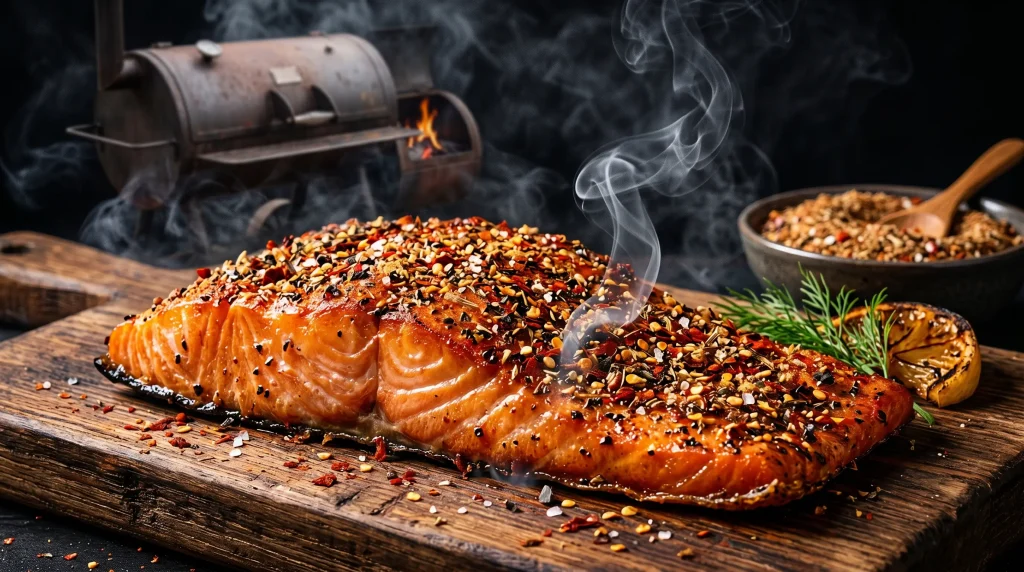
You can have a world-class seasoning mixture ready to go, but if your application technique is sloppy, your final product will suffer. Applying a rub to a delicate piece of fish requires a completely different mindset than seasoning a rack of ribs or a pork butt. You cannot just dump it on and press it into the meat. Follow this careful, three-step method to ensure pristine results every time.
Step 1: Prepare the Fish with Intention
Before a single grain of your smoked salmon rub touches the meat, you need to set up your canvas. Take your salmon out of its packaging and place it on a clean cutting board. Take a few sheets of heavy-duty paper towel and firmly pat the entire surface of the fish completely dry. Do not skip this step. If the surface of the meat is swimming in pooling water when you apply the rub, the sugar and salt will instantly dissolve into a runny liquid and slide right off the sides of the fish onto your counter.
[Pat Surface Completely Dry] ➔ [Leave Skin Intact] ➔ [Sprinkle Rub from 12 Inches Up]
Always leave the skin intact for the smoking process. Salmon skin is incredibly tough and acts as a natural heat shield. As the fish sits on the hot smoker grates, the skin protects the delicate fat layers and meat underneath from drying out or scorching. It also holds the fillet together, preventing it from flaking apart when it comes time to lift it out of the cooker.
Step 2: Time the Application Perfectly
Timing is where many aspiring pitmasters accidentally stumble. If you apply a high-salt rub to a piece of fish and let it sit in the refrigerator for twelve hours, you aren’t just seasoning the fish—you are curing it. The salt will relentlessly extract deep water reserves from inside the muscle walls, altering the molecular texture of the salmon until it becomes dense, tight, and firm, much like cold-smoked lox.
If you are chasing a classic, tender, juicy hot-smoked finish, you want to apply your dry rub exactly 20 to 30 minutes before the fish goes into your smoker. This short window gives the salt just enough time to dissolve into the surface moisture, forming that beautiful, sticky pellicle, without giving it enough time to migrate deep into the core of the fillet and pull out the essential moisture that keeps the fish juicy.
Step 3: Master the High-Altitude Sprinkle
When it comes to the physical application, keep your hands off the meat. Do not aggressively rub, massage, or press the seasoning into the salmon. The flesh of salmon is held together by incredibly delicate, structural sheets of muscle fibers. If you rub them aggressively, you will tear these sheets apart, causing the fish to lose its structure and leak its internal juices during the cook.
Instead, hold your hand roughly 12 inches above the fillet and gently shake the rub through your fingers. Elevating your hand allows the seasoning grains to separate in mid-air, raining down in a perfectly uniform, even sheet across the entire surface. Aim for an elegant, thorough dusting where you can still see the vibrant pink flesh of the salmon peeking out underneath the seasoning. If you cake it on an inch thick, you will create an impenetrable barrier that blocks the wood smoke entirely.
Choosing the Right Wood to Complement Your Seasoning
You should view your choice of smoking wood as the final, invisible ingredient in your rub mixture. The smoke profile you choose will mingle directly with the sugars, salts, and spices on the surface of your fish, either elevating them into a cohesive masterpiece or clashing with them in a bitter struggle for dominance.
Wood Strength Scale:
[Mild/Fruity] Apple ➔ Cherry ➔ Alder ➔ Maple ➔ Hickory ➔ Mesquite [Intense/Bitter]
Fruitwoods: The Safe and Elegant Choice
If you are ever in doubt, always default to a high-quality fruitwood. Apple and cherry are magnificent companions for salmon because their smoke profiles are naturally light, sweet, and incapable of ruining a meal if you accidentally add a log too many.
- Apple Wood: Offers a very mild, subtle smoke with a distinctly sweet background note. It behaves beautifully with the Citrus and Cracked Pepper variation, providing a gentle contrast that doesn’t mask the fresh orange peel.
- Cherry Wood: Delivers a slightly richer, more distinct flavor profile, but its real superpower is the color it imparts. Cherry smoke reacts with the sugars in your brown or maple rub to turn the surface of the salmon a deep, jaw-dropping, mahogany-red color that looks like it belongs on the cover of a culinary magazine.
Traditional Hardwoods: The Balanced Middle Ground
If you want a deeper, more distinct “barbecue” identity without completely crossing the line into bitterness, look toward classic northern hardwoods.
- Alder Wood: As mentioned previously, alder is the undisputed champion of traditional salmon smoking. Its smoke profile is incredibly clean, soft, and slightly musky. It doesn’t fight your rub; it gently frames it. If you’ve spent time crafting a nuanced herb blend, alder is the only wood that will respect those quiet herbal notes.
- Maple Wood: Gives off a sweet, heavy, mellow smoke. It pairs naturally with the Spicy Maple Bourbon variation, echoing the maple sugar notes and giving the fish a comforting, maple-log-cabin aroma.
Strong Woods: Proceed with Extreme Caution
In the world of barbecue, hickory and mesquite are royalty. They are the driving forces behind Texas brisket and Carolina pulled pork. However, when it comes to hot-smoking salmon, you need to use them with extreme caution—or avoid them entirely.
Salmon is highly porous and absorbs smoke flavor much faster than a thick beef brisket. Hickory and mesquite produce heavy, pungent, resinous smoke profiles. If you use them exclusively over a two-hour salmon smoke, they will completely overwhelm your dry rub, wash away the natural flavor of the seafood, and leave you with a finished product that tastes unpleasantly bitter, acrid, and medicinal. If you absolutely want that heavy hickory kick, limit it to a single small wood chunk mixed into a large basket of mild apple wood.
Frequently Asked Questions
Should you put dry rub on salmon skin?
No, you should never waste your flavorful dry rub on the skin side of the fish. Salmon skin is a thick, waterproof, and non-porous layer designed to keep things out. If you apply your rub there, the salt and sugar will simply sit on the surface, fail to dissolve, and eventually slide off into the bottom of your smoker. Keep 100% of your seasoning focused on the exposed top and sides of the flesh where it can actually interact with the meat.
How long should a smoked salmon rub sit on the fish before smoking?
For an authentic, juicy, hot-smoked finish, your rub should sit on the salmon for 20 to 30 minutes at room temperature right before it enters the cooker. This gives the salt sufficient time to liquefy and create the sticky pellicle layer needed for smoke adhesion. Avoid letting a high-salt dry rub sit on the fish for multiple hours or overnight, as this will cross the line into curing, turning your delicate fish firm, dry, and tough.
Can I store leftover homemade salmon rub?
Yes, absolutely. Because this master formula is made up entirely of dry ingredients, it has a fantastic shelf life. You can spoon any leftover mixture into a clean, airtight glass spice jar or plastic container and store it in a cool, dark pantry for up to six months. The only thing to watch out for is moisture; because brown sugar contains natural oils, it can occasionally clump up over time. If it hardens, simply give the jar a vigorous shake or break up the pieces with a fork before your next smoke session.
What is the absolute best wood for smoking salmon?
While flavor is inherently subjective, alder wood is universally recognized by chefs and pitmasters as the premier choice for smoking salmon. It provides a highly delicate, sweet, and clean smoke profile that complements the rich, oily nature of wild salmon without ever overpowering it. If you want a deeper color and a touch more sweetness, apple and cherry are spectacular alternatives.
Conclusion: Bringing Your Smoked Salmon to Life
Hot-smoking seafood is a beautiful intersection of culinary science and patient backyard craftsmanship. While your ability to manage your fire, control your airflow, and maintain a steady internal temperature dictates the physical texture of the fish, your smoked salmon rub is what gives the meal its true soul. It is your signature—the element that defines whether your cook turns out ordinary or legendary.
By understanding the two-to-one balance of sweet and salty elements, respecting the natural delicate structure of the fish during application, and pairing your spices with a complementary, gentle wood smoke, you possess the definitive roadmap to barbecue success. The next time you see a beautiful side of salmon at your local market, don’t feel intimidated. Grab your dark brown sugar, uncap your kosher salt, fire up your cooker, and enjoy the rich, smoky journey.
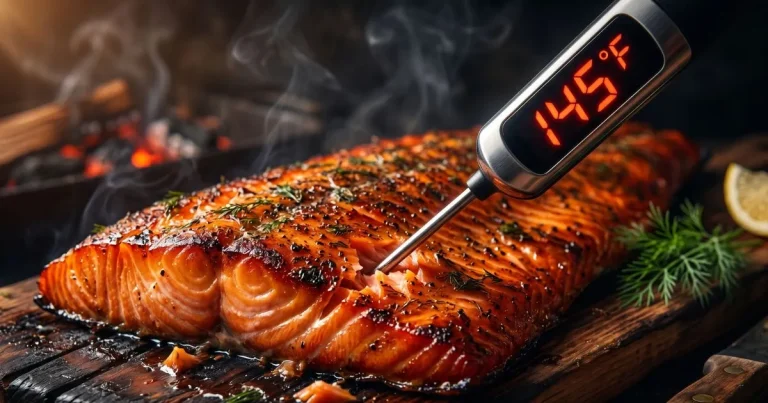
Now it’s your turn to head out to the backyard! Mix up a batch of this sweet and savory master rub this weekend, lock your smoker in at that magical $225^\circ\text{F}$ mark, and experience the difference for yourself. Once you’ve pulled that perfect, golden-brown, glistening side of salmon off the grates, come back and drop a comment below—we want to hear which wood variation you chose and how it turned out!
Did You Try Our Recipe?
There are no reviews yet. Be the first one to write one.