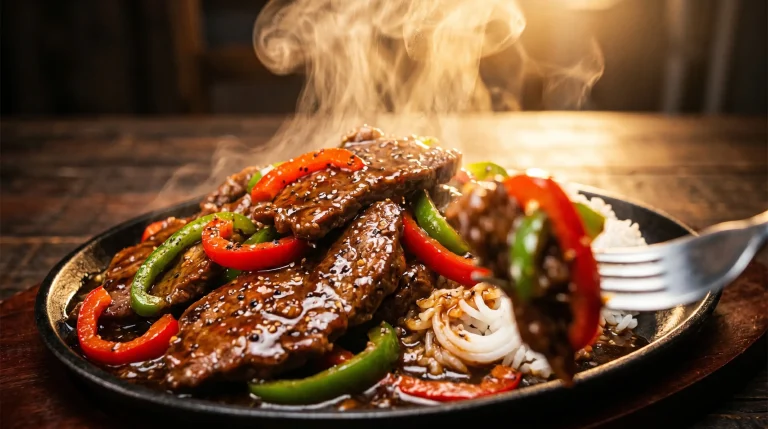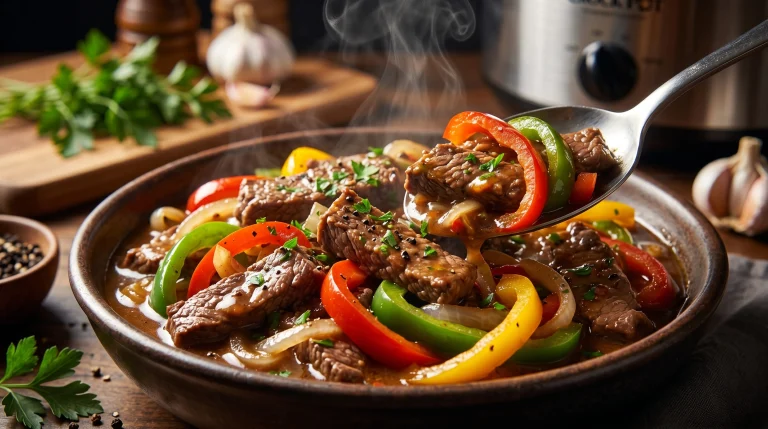
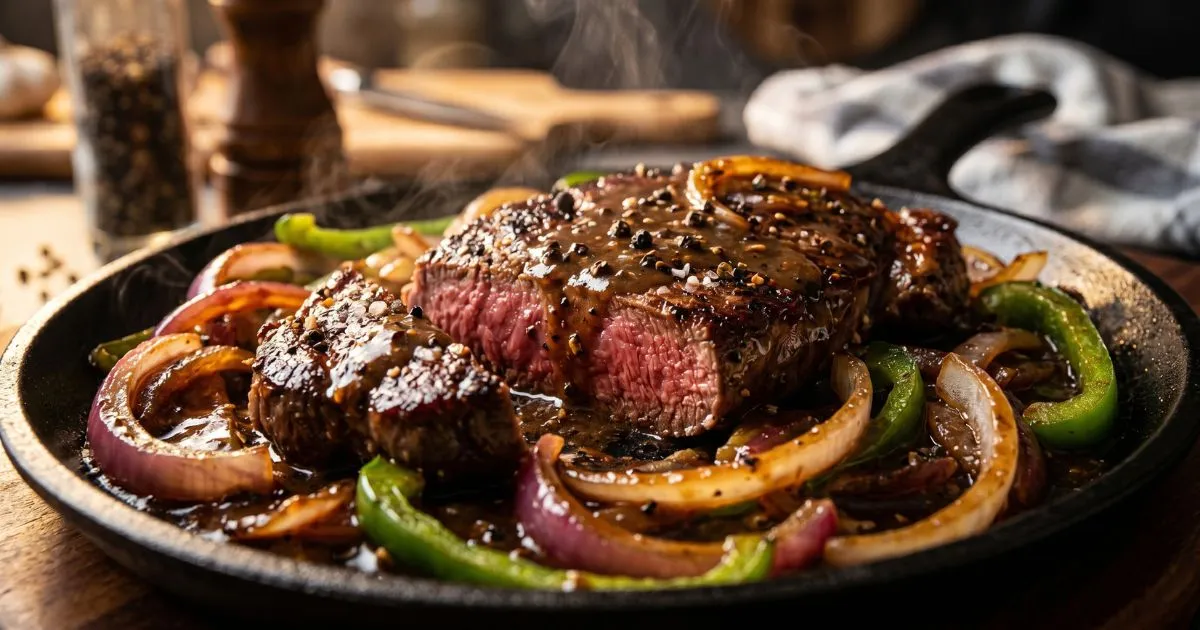
Get step-by-step instructions for cooking tasty pepper steak with onion and colorful bell pepper
Table of Contents
Looking for a meal that fills you up after a long day? Try making a classic pepper steak with onion. It’s a favorite in American homes for good reason. It pairs savory protein perfectly with fresh, crunchy veggies.
You don’t need to be a pro chef to make it delicious. Choose top-notch beef and fresh veggies for a restaurant-quality dish at home. Learning this simple recipe lets you cook a healthy meal your family will love.
Follow these easy steps to improve your cooking today. You’ll see how fast and satisfying making this tasty dish from scratch can be.
Key Takeaways
- Select high-quality beef for the best texture and flavor.
- Slice your vegetables uniformly to ensure even cooking times.
- Use a hot skillet to achieve a perfect sear on the meat.
- Incorporate colorful bell peppers to add visual appeal and nutrition.
- Keep your heat high to maintain the crunch of the produce.
Understanding the Essentials of Pepper Steak with Onion
Learning the basics of pepper steak with onion can make your cooking better. The right ingredients create a perfect mix of texture and taste. This makes the dish truly special.
Selecting the Best Cuts of Beef
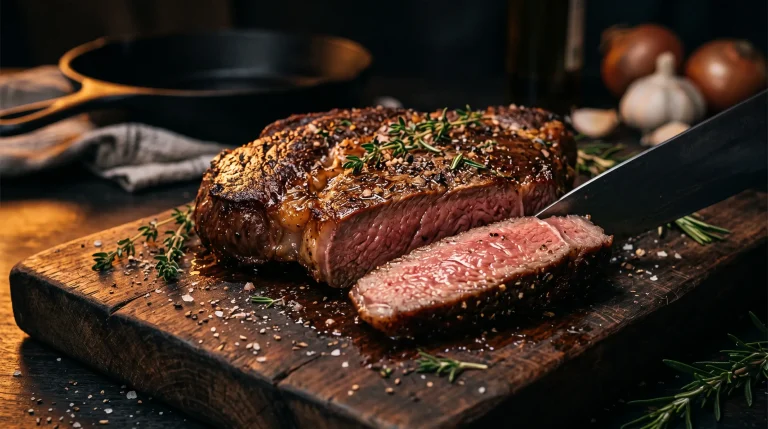
The key to a great pepper steak with onion is the beef. Choose lean cuts that can handle high heat well.
Flank steak and sirloin are top choices. They have a deep, savory flavor and stay tender when sliced right.
| Beef Cut | Tenderness | Flavor Profile | Best Use |
|---|---|---|---|
| Flank Steak | Moderate | Robust | Stir-fry |
| Sirloin | High | Mild | Quick Searing |
| Round Steak | Low | Lean | Slow Cooking |
The Role of Colorful Bell Peppers
Bell peppers add more than color to your pepper steak with onion. They bring a crunchy texture that’s perfect with the beef.
Using red, yellow, and green peppers also makes your meal healthier. They’re full of vitamins, making your dish both tasty and nutritious.
Balancing Flavors with Onions and Aromatics
Onions add a sharp flavor that balances the sauce’s richness. When sautéed, they become sweet, enhancing the beef’s taste.
Adding garlic and ginger takes your pepper steak with onion to the next level. Together, they create a complex, professional flavor in your kitchen.
Preparing Your Ingredients for Success
Getting the perfect texture in your beef dish starts before cooking. Organizing your workspace helps avoid stress while cooking. Proper preparation is key to professional results at home.
Proper Slicing Techniques for Tender Beef
Identifying the muscle fibers’ direction is crucial for tender beef. Always slice against the grain to prevent toughness. This makes the meat tender during stir-frying.
Strive for thin, uniform strips, about a quarter-inch thick. This ensures even cooking, making each bite tender.
Cleaning and Cutting Bell Peppers and Onions
Wash bell peppers under cold water to remove debris. Remove seeds and white membranes, then slice into strips matching your beef.
For onions, cut into wedges or thick slices to hold up under heat. Uniform vegetable pieces are essential for even cooking, preventing burning.
“The secret to a great stir-fry is not just the heat, but the precision of the knife work before the cooking begins.”
Measuring Your Sauce Components
Stir-frying is fast, so measuring ingredients while the pan is hot is impossible. Mix soy sauce, aromatics, and thickening agents in a bowl before starting.
Having your sauce ready ensures you can add it at the perfect time. This prevents vegetables from overcooking while you search for seasonings.
| Ingredient | Preparation Method | Goal |
|---|---|---|
| Beef | Slice against the grain | Maximum tenderness |
| Bell Peppers | Uniform strips | Even texture |
| Onions | Consistent wedges | Balanced flavor |
| Sauce | Pre-mix in a bowl | Efficiency |
Mastering the Marinade and Sauce Base
Learning to make a great sauce is key to a delicious dish. The sauce is the heart of the meal, bringing all the flavors together. By balancing your ingredients, you can turn a simple meal into a truly memorable experience.
Creating a Savory Soy-Based Sauce
Start with top-quality soy sauce as your base. Add minced garlic, fresh ginger, and a bit of brown sugar for depth. This mix gives your pepper steak that authentic taste.
“Cooking is like painting or writing a song. Just as there are only so many notes or colors, there are only so many flavors—it’s how you combine them that sets you apart.”
Wolfgang Puck
For more richness, add sesame oil or rice vinegar. These ingredients balance the soy sauce’s saltiness, making your dish perfectly balanced and lively.
Tips for Thickening Your Sauce Perfectly
To get that glossy look, use a cornstarch slurry. Mix one tablespoon of cornstarch with two tablespoons of cold water until it’s smooth. Then, add it to your hot pan.
Pour the slurry slowly while stirring constantly to avoid clumps. This way, your sauce will thicken evenly, giving it a velvety texture that sticks to your beef and bell peppers. If it’s too thick, a little water or broth will fix it.
Adjusting Seasonings to Your Personal Preference
Your taste is what makes a recipe great. Before serving, taste your sauce and adjust it if needed. You might want more ginger or a sweeter taste.
Change the soy sauce, sugar, or spices until it tastes just right to you. Customizing your seasoning makes every bite special. Remember, the sauce will get stronger as it cooks, so taste it often.
Cooking Techniques for Tender Beef
The difference between chewy meat and a tender, succulent bite often comes down to pan temperature. Mastering your kitchen’s heat is key to a great stir-fry.
The Importance of Searing at High Heat
Start with a well-preheated pan for a professional-quality result. High heat creates a flavorful crust and locks in juices.
When the pan is hot, the meat sizzles right away. This quick reaction keeps the meat perfectly tender.
Avoiding Overcooked and Chewy Meat
Don’t overcrowd the pan, as it lowers the temperature and steams the meat. To avoid gray, rubbery beef, follow these tips:
- Work in small batches to keep the surface temperature high.
- Leave enough space between each strip of beef so they do not touch.
- Remove the cooked pieces from the pan as soon as they develop a nice brown color.
Keep the pan hot and the load light to control the texture. This way, every piece of steak stays delightfully soft and easy to chew.
Resting Your Beef for Maximum Juiciness
Even after removing the beef from heat, cooking continues for a short time. Letting the meat rest for a few minutes is crucial.
Resting allows muscle fibers to relax and reabsorb juices. When you serve, you’ll see a significant improvement in moisture and flavor.
Stir-Frying Your Vegetables to Perfection
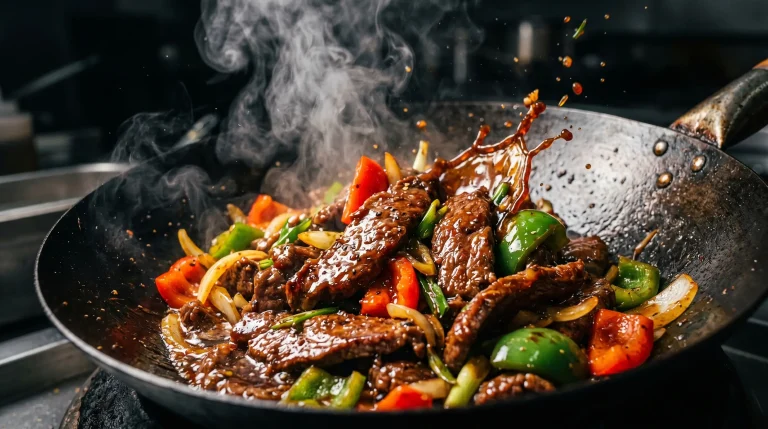
Quick, high-heat cooking keeps your stir-fry ingredients bright and crisp. This fast method needs your full focus. It ensures every vegetable is cooked just right, without getting mushy.
Achieving the Ideal Crisp-Tender Texture
A great stir-fry has a satisfying crunch and is tender. You want a bit of resistance when you bite, not softness.
To get this right, move your vegetables constantly in the pan. This stops them from steaming and becoming soggy. Consistent motion is key to success.
Managing Heat Levels for Vibrant Colors
High heat is crucial for keeping bell peppers’ colors bright. Lower temperatures make vegetables release moisture and lose their vibrant colors. Use medium-high or high heat for a quick sear.
Here are some tips to keep your dish looking as good as it tastes:
- Don’t overcrowd the pan: Cook in batches if needed to keep temperatures high.
- Use a wide skillet or wok: This helps with heat distribution and faster evaporation.
- Keep the oil hot: Wait for the oil to shimmer before adding vegetables for an immediate sear.
Combining Aromatics with Bell Peppers
Aromatics like garlic and ginger add flavor but are delicate. If added too early, they can burn and become bitter.
Add your minced garlic and ginger in the last minute of cooking. This lets their fragrant oils mix with the bell peppers’ crispness. Timing it right gives a bold, savory finish that enhances the peppers’ sweetness.
Alternative Cooking Methods for Busy Schedules
Feeling overwhelmed? Switching to hands-off cooking methods can be a game changer for meal planning. You can enjoy a great dinner without spending all evening cooking. Using specific appliances means your meal is ready when you need it.
Preparing Crock Pot Pepper Steak
Choosing a crock pot pepper steak means picking the right beef. Unlike quick stir-fries, slow cookers work best with tougher cuts like chuck roast or round steak. These cuts become incredibly tender and juicy after hours of slow cooking.
Adapting the Recipe for a Slow Cooker
Switching to a slow cooker pepper steak needs a few tweaks. Since slow cookers keep moisture in, use less liquid in your sauce. Also, add bell peppers in the last hour to keep them colorful and crisp.
Adjusting Cooking Times for Low and Slow Methods
Low and slow cooking requires patience. Set your device to low for six to eight hours. This lets flavors blend and the beef become tender, a feat hard to achieve with fast cooking.
| Feature | Stovetop Stir-Fry | Slow Cooker Method |
|---|---|---|
| Active Time | 20-30 Minutes | 10-15 Minutes |
| Meat Texture | Firm and Chewy | Tender and Shredded |
| Vegetable Texture | Crisp-Tender | Soft and Infused |
| Best For | Quick Weeknight Meals | Busy Days/Batch Cooking |
Serving Suggestions for a Complete Meal
A great dinner needs the right sides to make the main dish shine. Choosing the right sides turns a simple stir-fry into a memorable meal. It pleases everyone at the table.
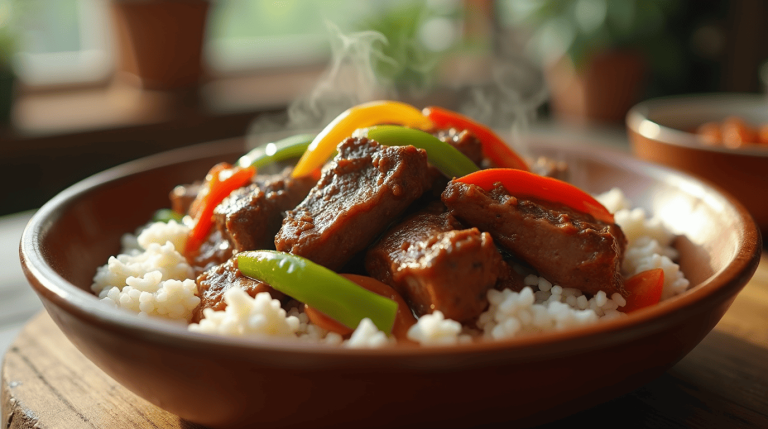
Pairing Pepper Steak and Rice
The classic way to enjoy this dish is with pepper steak and rice. Steamed jasmine or long-grain white rice is perfect. It soaks up the sauce’s rich flavors, making sure you get every bit of taste.
For a healthier option, try brown rice or quinoa. They add a nutty flavor that’s great with the beef. Pepper steak and rice is always a comforting, classic choice.
Serving with Noodles or Steamed Vegetables
Noodles are a great rice substitute. Lo mein or udon noodles pair well with the beef and bell peppers. Just toss the noodles in sesame oil before adding the beef.
For a lighter meal, steamed vegetables are perfect. Try broccoli, snap peas, or baby bok choy. They add color and nutrients, balancing the meal.
Plating Techniques for an Appetizing Presentation
Make your meal look as good as it tastes with great presentation. A beautiful plate makes the food even more enjoyable. Here are some tips to impress your guests:
- Use wide, shallow bowls to keep the sauce from pooling at the bottom.
- Garnish with fresh elements like sliced green onions or toasted sesame seeds for a pop of color.
- Create height by placing the beef and peppers in the center of the starch.
- Wipe the edges of your plate clean to ensure a professional, polished look.
Exploring Variations of Chinese Pepper Steak
Trying new dinner recipes can make mealtime exciting. Once you master the basics, you can make your chinese pepper steak your own. This lets you enjoy it just the way you like it.
Adding Heat with Chili Peppers
Want a spicy dish? Adding heat is easy. Use fresh Thai bird’s eye chilies for a quick, sharp flavor. Or, try dried red chili flakes for a slow, warm taste that spreads through the sauce.
Incorporating Ginger and Garlic Variations
Aromatics are key to a great chinese pepper steak. Instead of minced garlic, try ginger coins for a zesty twist. For a stronger flavor, use a garlic press or add more aromatics.
Experimenting with Different Soy Sauce Types
The soy sauce you pick changes your dish’s taste and color. Light soy sauce is salty and thin, while dark soy sauce is sweeter and thicker. Many chefs mix both for the best flavor and color.
| Variation Type | Primary Ingredient | Flavor Impact | Best Use |
|---|---|---|---|
| Spicy | Thai Chili | Sharp Heat | Quick Stir-fry |
| Aromatic | Fresh Ginger | Citrusy/Zesty | Beef Marinade |
| Rich | Dark Soy Sauce | Deep Umami | Sauce Base |
These tweaks can make your chinese pepper steak better every time. By changing these ingredients, your meals stay fresh and exciting, tailored to your taste.
Common Mistakes and How to Avoid Them
Getting restaurant-quality food at home is simpler when you know the common mistakes. Even skilled cooks can face issues with stir-fry dishes. But, most problems can be solved with the right knowledge. Knowing these common issues helps you make pepper steak with onion consistently delicious.
Preventing Soggy Vegetables
Crisp, vibrant vegetables need a hot cooking surface. If your pan isn’t hot enough, veggies will steam instead of sear. Always make sure your oil is shimmering before adding bell peppers and onions.
Don’t overcrowd the pan, as it lowers the temperature quickly. Cook veggies in smaller batches to keep the heat high. This keeps your pepper steak with onion fresh and crunchy, not limp.
Fixing a Sauce That Is Too Thin or Thick
A sauce that’s not the right consistency can mess up your meal. If it’s too thin, mix a cornstarch slurry with cold water. Slowly whisk this into the pan until it’s thick enough.
If your sauce is too thick, add a bit of beef broth or water. Adjusting the sauce at the end ensures your pepper steak with onion is perfectly coated and tasty.
Ensuring Even Cooking Across the Pan
Even cooking is crucial for a great stir-fry. If beef and veggies are different sizes, some will overcook while others stay raw. Cut all ingredients into similar sizes before cooking.
Also, spread your ingredients evenly across the pan to avoid cold spots. Stir constantly to keep the temperature even. These steps will help you make pepper steak with onion with confidence.
| Common Issue | Primary Cause | Quick Fix |
|---|---|---|
| Soggy Vegetables | Low heat or overcrowding | Increase heat and cook in batches |
| Thin Sauce | Insufficient starch | Add cornstarch slurry |
| Thick Sauce | Excessive reduction | Add broth or water |
| Uneven Cooking | Inconsistent slicing | Use uniform knife cuts |
Conclusion
Cooking a perfect pepper steak makes your kitchen a place of creativity. You now know how to mix savory sauces with crisp veggies and tender beef.
Starting your journey as a home cook is exciting. Use these basic techniques to get better at timing and heat control. Soon, making meals like a pro at home will feel easy.
Try out your own twist on pepper steak with friends or family. Using fresh ingredients keeps cooking fun and rewarding. Every dish you make helps you get better and more confident in the kitchen.
Grab your favorite skillet and start a new cooking adventure today. Your kitchen is where you can try new flavors and techniques. Enjoy the joy of making a tasty, homemade meal for those you love.
FAQ
What is the best cut of beef to use for a tender pepper steak with onion?
Choose lean and flavorful cuts like flank steak or top sirloin. Brands like Omaha Steaks are great because they’re easy to slice thinly. Always slice against the grain to keep the meat tender.
How can I achieve a restaurant-quality sauce for my Chinese pepper steak?
For a glossy sauce, mix high-quality Kikkoman soy sauce with garlic and ginger. Whisk in a cornstarch slurry at the end to thicken it. This will give you a glaze that sticks to every bite.
Can I prepare this recipe using a slow cooker for a busy weeknight?
Yes, a slow cooker is perfect for a busy night. Use tougher cuts like chuck roast. Remember to use less liquid since the Crock-Pot holds moisture well.
What are the best serving suggestions for a complete meal?
Serve pepper steak with rice for a classic meal. Try it over Mahatma white rice or jasmine rice. For a different twist, serve it with wide rice noodles or a green salad.
How do I keep my bell peppers and onions from becoming soggy?
Cook your veggies quickly over high heat. Use a heavy-bottomed pan like a Lodge cast iron skillet. Cook them in batches to keep them crisp.
Can I adjust the spice level of this dish?
Yes, you can make it spicier if you like. Add crushed red pepper flakes or fresh Thai bird’s eye chilies during stir-frying. Or, add Huy Fong Sriracha or chili garlic sauce to the marinade for a spicy kick.
Did You Try Our Recipe?
There are no reviews yet. Be the first one to write one.